 Rocksday
South Carolina State Stone & Gem: Blue granite, Amethyst
South Carolina's state stone is blue granite, adopted in 1969. South Carolina's state gem stone is amethyst, adopted in 1969. South Carolina's state fossil is the Columbian mammoth, adopted in 2014.
Symbol names and dates are taken from primary state sources linked below. Informal or proposed symbols are not listed unless adopted.
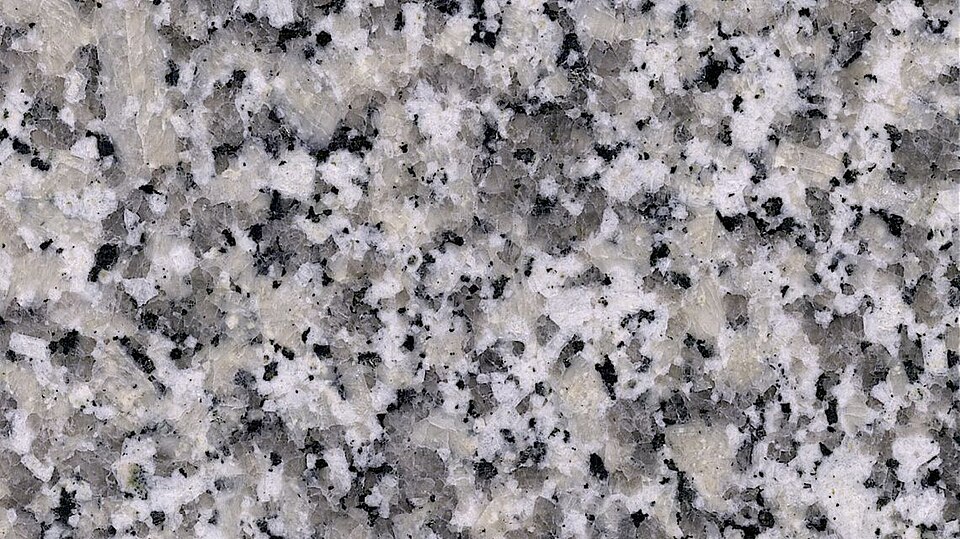
State stone: Blue granite
- Adopted:
- 1969
- Law:
- Act No. 345 of 1969
- Variety:
- blue granite
It is a variety of granite. Granite is an igneous rock with a Mohs hardness of about 6–7 and a granular, sparkly luster, usually pink, gray, white or black.
The Legislature's page notes it is gray granite that can show a blue hue when polished.
Often confused with: Arkose, Diorite, Gneiss
Also an official symbol of: Massachusetts, New Hampshire, North Carolina, Vermont, Wisconsin
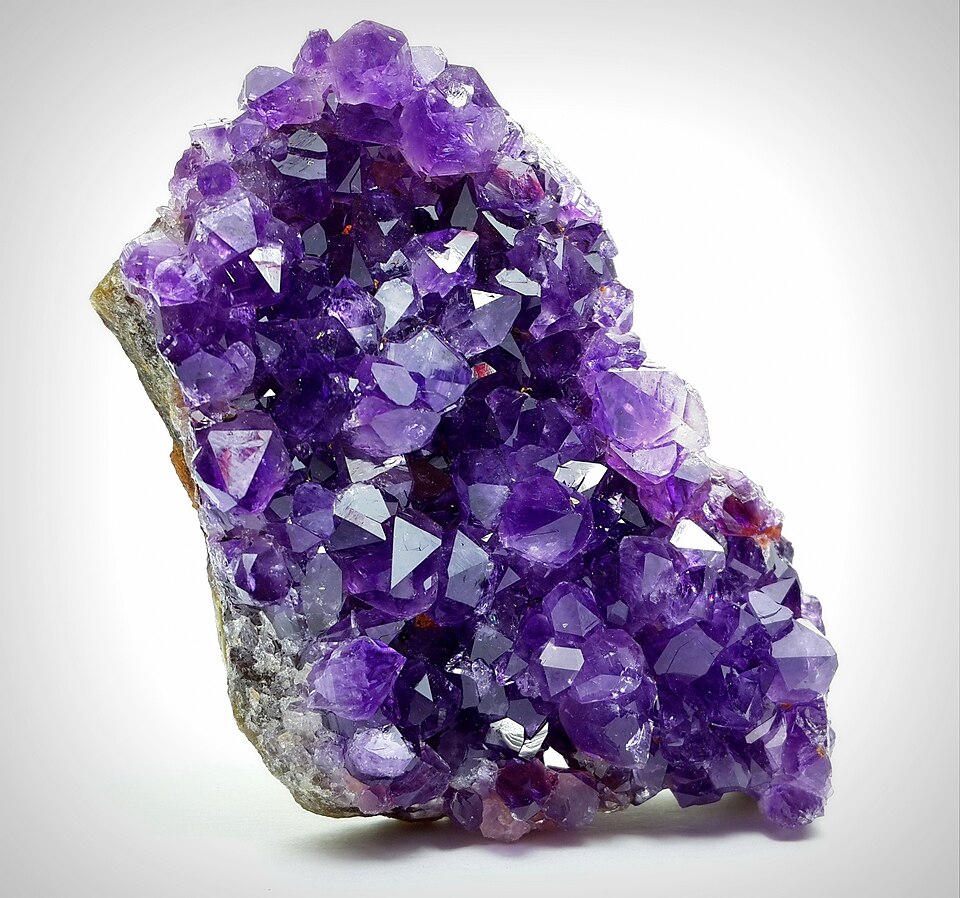
State gem stone: Amethyst
- Adopted:
- 1969
- Law:
- Act No. 345 of 1969
Amethyst is a mineral (SiO₂) with a Mohs hardness of 7 and a vitreous luster, usually purple.
State fossil: Columbian mammoth
- Adopted:
- 2014
- Law:
- Act No. 177 of 2014
South Carolina state symbols FAQ
What is the state stone of South Carolina?
South Carolina's state stone is blue granite, adopted in 1969 (Act No. 345 of 1969).
What is the state gem stone of South Carolina?
South Carolina's state gem stone is amethyst, adopted in 1969 (Act No. 345 of 1969).
What is the state fossil of South Carolina?
South Carolina's state fossil is the Columbian mammoth, adopted in 2014 (Act No. 177 of 2014).
Sources
We cite primary sources (statutes, state government pages, federal regulations, and land-manager sites). Third-party listicles are not used as citations.
- Gems, Rocks, Gardens & Fossils — South Carolina Legislature (accessed 2026-10-24).
Last verified 2026-10-24. Corrections welcome: if a statute has changed, tell us and we'll re-verify.
Think you could spot these from a blurry close-up?
Play today's Rocksday