 Rocksday
Rhodolite
Rhodolite is a mineral with a Mohs hardness of 7–7.5 and a vitreous luster, usually red, purple or pink.
A rose-red to raspberry garnet halfway between pyrope and almandine. It is a mix, not a separate species.
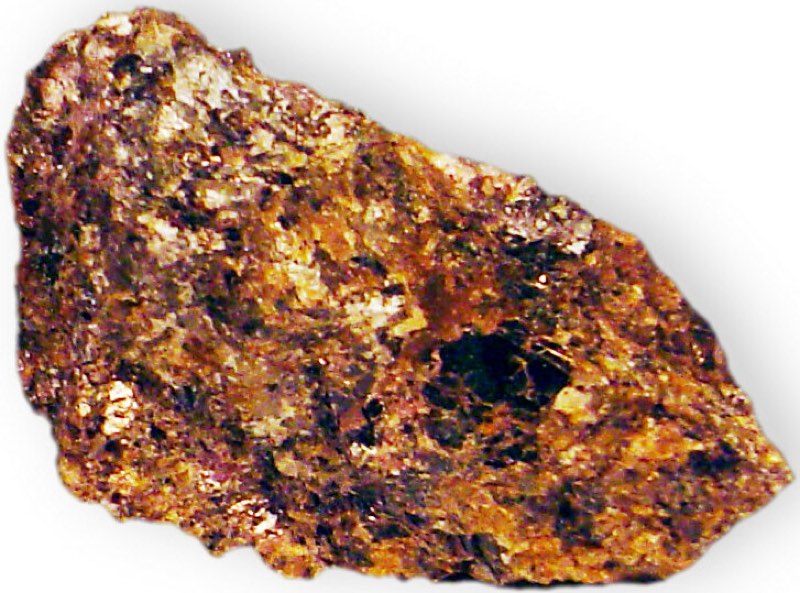
How to identify rhodolite
- Purplish rose red, lighter in tone than typical almandine.
- Hardness 7–7.5.
- Usually pebbles or rounded crystals.
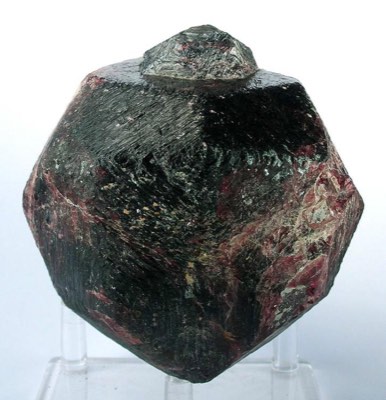
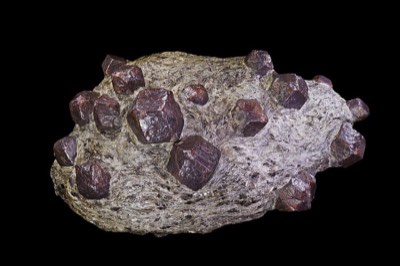
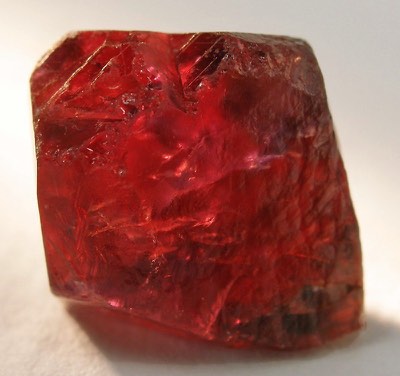
Often confused with
Where it's found
- Cowee Valley, North Carolina
- Tanzania
- Madagascar
- Sri Lanka
Uses
Gemstones.
Rock tumbling
Great for tumbling.
Did you know?
The original stones came from Cowee Valley, North Carolina, and the name refers to the rose-like color.
Rhodolite FAQ
What is rhodolite?
Rhodolite is a mineral with a Mohs hardness of 7–7.5 and a vitreous luster, usually red, purple or pink. A rose-red to raspberry garnet halfway between pyrope and almandine. It is a mix, not a separate species.
How do you identify rhodolite?
Purplish rose red, lighter in tone than typical almandine. Hardness 7–7.5. Usually pebbles or rounded crystals.
How hard is rhodolite?
Rhodolite has a Mohs hardness of 7–7.5. Rhodolite scratches glass, and a steel knife can't scratch it.
Where is rhodolite found?
Notable localities include Cowee Valley, North Carolina; Tanzania; Madagascar; and Sri Lanka.
What is rhodolite used for?
Gemstones.
Can you tumble rhodolite?
Yes — it tumbles well.
What is rhodolite often confused with?
Rhodolite is most often confused with Pyrope, Almandine and Ruby. Pyrope is a purer blood red and contains little iron. Almandine is darker, more brownish red and heavier. Ruby is harder and hexagonal.
Think you could spot it from a blurry close-up?
Play today's Rocksday