 Rocksday
Red Beryl
Red Beryl is a mineral (Be₃Al₂Si₆O₁₈) with a Mohs hardness of 7.5–8 and a vitreous luster, usually red or pink.
Beryl colored red by manganese. Gem crystals are known essentially from the Wah Wah Mountains of Utah.
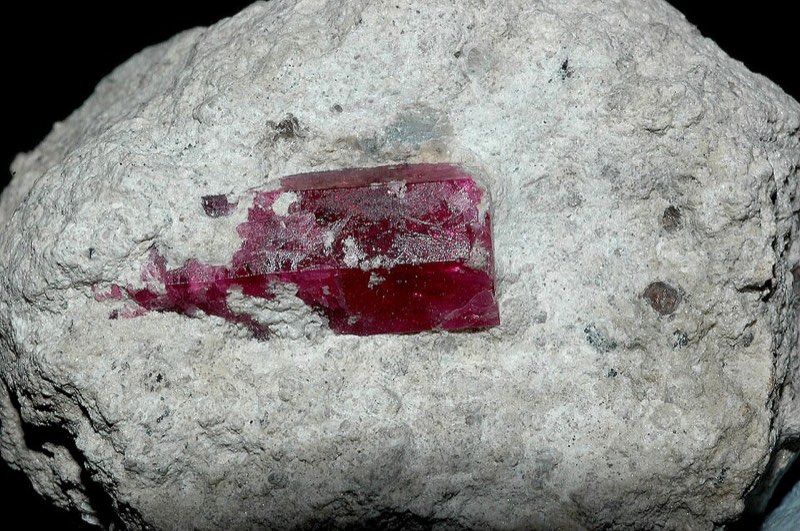
How to identify red beryl
- Raspberry-red hexagonal crystals, usually small.
- Hardness 7.5–8.
- In light-colored volcanic rhyolite, not in a marble or a pegmatite like most emerald.
Often confused with
Where it's found
- Wah Wah Mountains, Utah
Uses
Gemstones.
Rock tumbling
Not suitable for tumbling. Crystals are small and far too scarce to tumble.
Did you know?
The old name bixbite is easy to mix up with bixbyite, a different mineral. 'Red emerald' is only a sales name, and the cesium mineral pezzottaite is sometimes sold as red beryl.
Red Beryl FAQ
What is red beryl?
Red Beryl is a mineral (Be₃Al₂Si₆O₁₈) with a Mohs hardness of 7.5–8 and a vitreous luster, usually red or pink. Beryl colored red by manganese. Gem crystals are known essentially from the Wah Wah Mountains of Utah.
How do you identify red beryl?
Raspberry-red hexagonal crystals, usually small. Hardness 7.5–8. In light-colored volcanic rhyolite, not in a marble or a pegmatite like most emerald.
How hard is red beryl?
Red Beryl has a Mohs hardness of 7.5–8. Red Beryl scratches glass, and a steel knife can't scratch it.
Where is red beryl found?
Notable localities include Wah Wah Mountains, Utah.
What is red beryl used for?
Gemstones.
Can you tumble red beryl?
It isn't a good choice for a rock tumbler. Crystals are small and far too scarce to tumble.
What is red beryl often confused with?
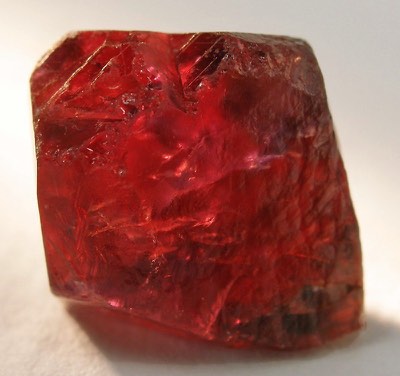
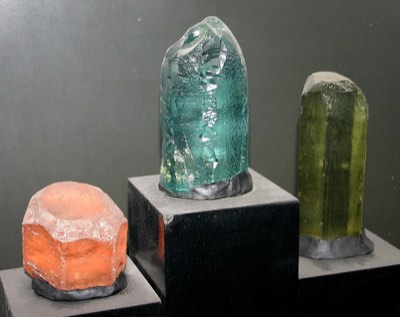
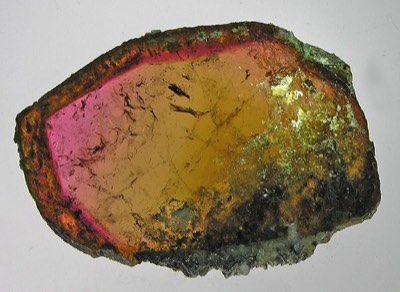
Red Beryl is most often confused with Ruby, Beryl and Tourmaline. Ruby is harder (9) and heavier. Other beryl is green, blue, pink or yellow, not this red. Red tourmaline has a triangular cross-section and lengthwise grooves.
Think you could spot it from a blurry close-up?
Play today's Rocksday