 Rocksday
Kunzite
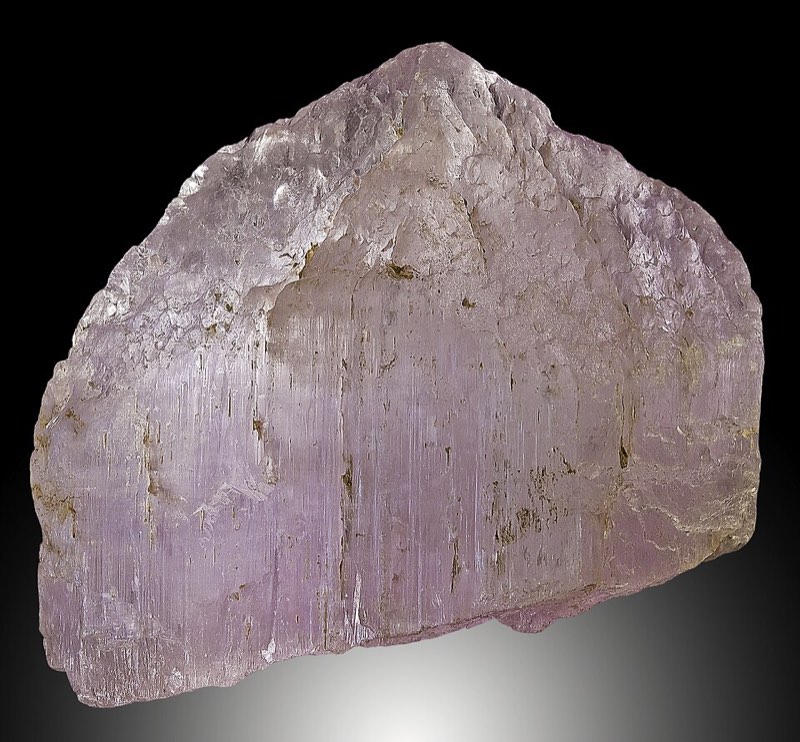
Kunzite is a mineral (LiAlSi₂O₆) with a Mohs hardness of 6.5–7 and a vitreous luster, usually pink or purple.
Lilac-pink spodumene, colored by manganese. It cleaves easily and can fade in strong sun.
How to identify kunzite
- Pink to lilac, often deepest when you look down the length of the crystal.
- Flattened, striated prisms that split along flat planes.
- A knife does not scratch it, but it splits if knocked.
Often confused with
Where it's found
- Pala, California
- Nuristan, Afghanistan
- Minas Gerais, Brazil
- Madagascar
Uses
Gemstones.
Rock tumbling
Not suitable for tumbling. Cleavage splits it, and the color fades in the sun.
Did you know?
It was named for George Frederick Kunz, the gemologist who introduced it. Strong sunlight can bleach the color.
Kunzite FAQ
What is kunzite?
Kunzite is a mineral (LiAlSi₂O₆) with a Mohs hardness of 6.5–7 and a vitreous luster, usually pink or purple. Lilac-pink spodumene, colored by manganese. It cleaves easily and can fade in strong sun.
How do you identify kunzite?
Pink to lilac, often deepest when you look down the length of the crystal. Flattened, striated prisms that split along flat planes. A knife does not scratch it, but it splits if knocked.
How hard is kunzite?
Kunzite has a Mohs hardness of 6.5–7. Kunzite scratches glass, and a steel knife can't scratch it.
Where is kunzite found?
Notable localities include Pala, California; Nuristan, Afghanistan; Minas Gerais, Brazil; and Madagascar.
What is kunzite used for?
Gemstones.
Can you tumble kunzite?
It isn't a good choice for a rock tumbler. Cleavage splits it, and the color fades in the sun.
What is kunzite often confused with?
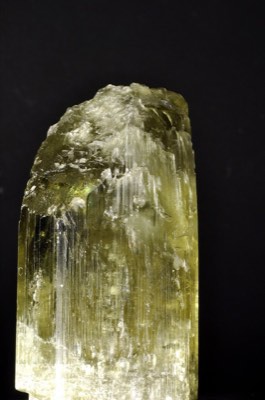
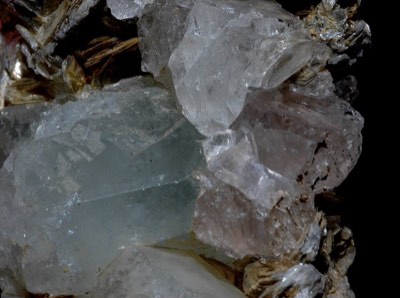
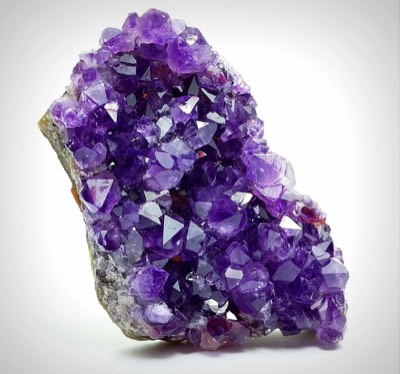
Kunzite is most often confused with Spodumene, Morganite and Amethyst. Plain spodumene is the same mineral without the pink color. Morganite is peachier beryl and has no strong cleavage. Amethyst is harder and does not split on flat planes.
Think you could spot it from a blurry close-up?
Play today's Rocksday