 Rocksday
Knightia
Knightia is a fossil with a Mohs hardness of about 2–3 and a dull luster, usually brown, gray or yellow.
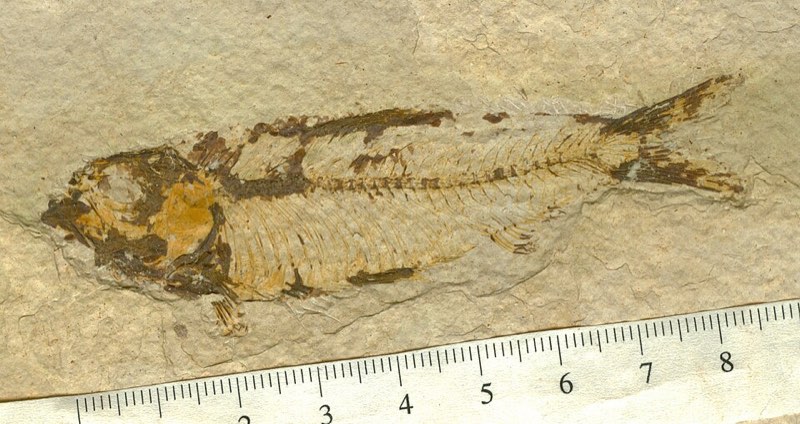
A small extinct herring. The slabs from Wyoming's Green River Formation are the fossil fish people see most often.
How to identify knightia
- A complete little fish, often 5–15 cm, in tan or brown shale.
- Scales, ribs and a forked tail still in place.
- The rock is a soft lake shale, not a limestone shell bed.
Often confused with
Where it's found
- Green River Formation, Wyoming
Uses
Teaching fossils and decor.
Rock tumbling
Not suitable for tumbling.
Did you know?
Knightia eocaena, from the Early Eocene Green River lakes, is the fossil fish collectors dig up most often. It is the state fossil of Wyoming.
Knightia FAQ
What is knightia?
Knightia is a fossil with a Mohs hardness of about 2–3 and a dull luster, usually brown, gray or yellow. A small extinct herring. The slabs from Wyoming's Green River Formation are the fossil fish people see most often.
How do you identify knightia?
A complete little fish, often 5–15 cm, in tan or brown shale. Scales, ribs and a forked tail still in place. The rock is a soft lake shale, not a limestone shell bed.
How hard is knightia?
Knightia has a Mohs hardness of about 2–3. Its hardness varies from 2 to 3, so scratch tests depend on the piece.
Where is knightia found?
Notable localities include Green River Formation, Wyoming.
What is knightia used for?
Teaching fossils and decor.
Can you tumble knightia?
It isn't a good choice for a rock tumbler.
What is knightia often confused with?
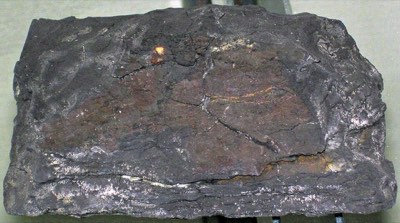
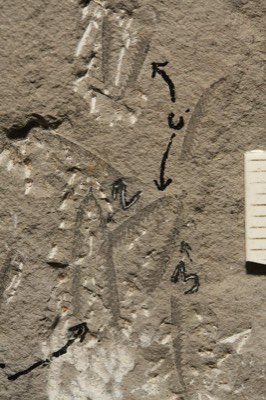
Knightia is most often confused with Shale and Graptolite. Plain shale has no skeleton. Graptolites are saw-blade films, not fish.
Think you could spot it from a blurry close-up?
Play today's Rocksday