 Rocksday
Graptolite
Graptolite is a fossil with a Mohs hardness of about 2–3 and a dull luster, usually black, gray or white.
Saw-blade or twig-like carbon films on black shale, left by tiny colonial animals. They are classic index fossils.
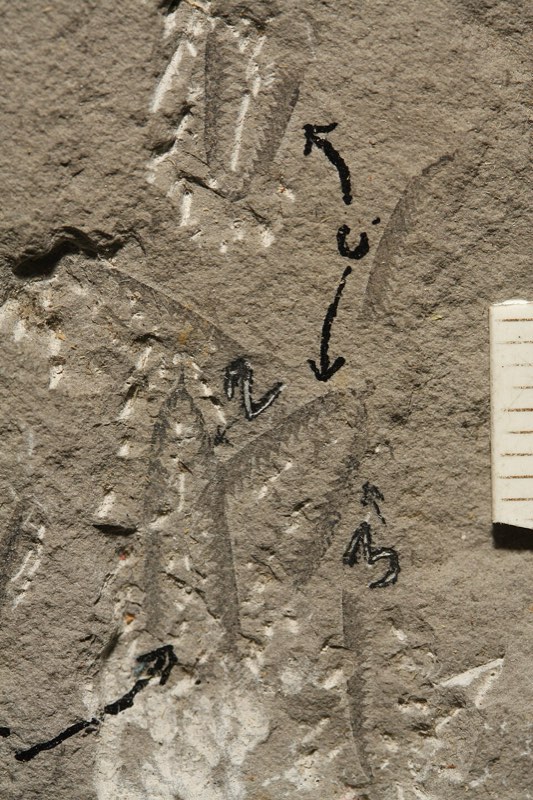
How to identify graptolite
- Dark marks like a hacksaw blade, a tuning fork or a twig on shale.
- The fossil is a film, not a raised shell.
- The host rock splits into thin slabs.
Often confused with
Where it's found
- Dob's Linn, Scotland
- New York
- Victoria, Australia
- China
Uses
Dating Ordovician and Silurian rocks.
Rock tumbling
Not suitable for tumbling.
Did you know?
Species changed so quickly that a graptolite on a shale slab can date the rock more tightly than most fossils.
Graptolite FAQ
What is graptolite?
Graptolite is a fossil with a Mohs hardness of about 2–3 and a dull luster, usually black, gray or white. Saw-blade or twig-like carbon films on black shale, left by tiny colonial animals. They are classic index fossils.
How do you identify graptolite?
Dark marks like a hacksaw blade, a tuning fork or a twig on shale. The fossil is a film, not a raised shell. The host rock splits into thin slabs.
How hard is graptolite?
Graptolite has a Mohs hardness of about 2–3. Its hardness varies from 2 to 3, so scratch tests depend on the piece.
Where is graptolite found?
Notable localities include Dob's Linn, Scotland; New York; Victoria, Australia; and China.
What is graptolite used for?
Dating Ordovician and Silurian rocks.
Can you tumble graptolite?
It isn't a good choice for a rock tumbler.
What is graptolite often confused with?
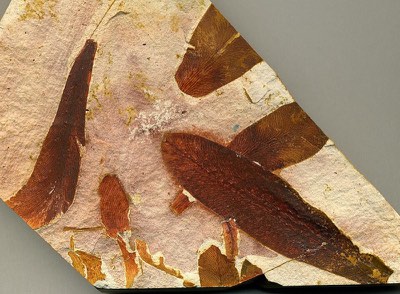
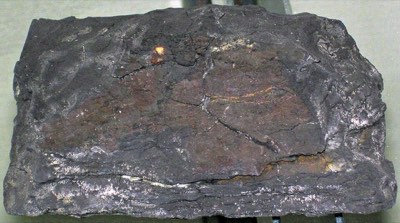
Graptolite is most often confused with Glossopteris and Shale. Glossopteris is a leaf with a midrib, not a toothed strip. Plain shale has no regular saw-tooth marks.
Think you could spot it from a blurry close-up?
Play today's Rocksday