 Rocksday
Goniatite
Goniatite is a fossil with a Mohs hardness of about 3–4 and a dull luster, usually gray, brown or white.
An early ammonoid with a coiled shell and simple zigzag sutures, common in Paleozoic rocks.
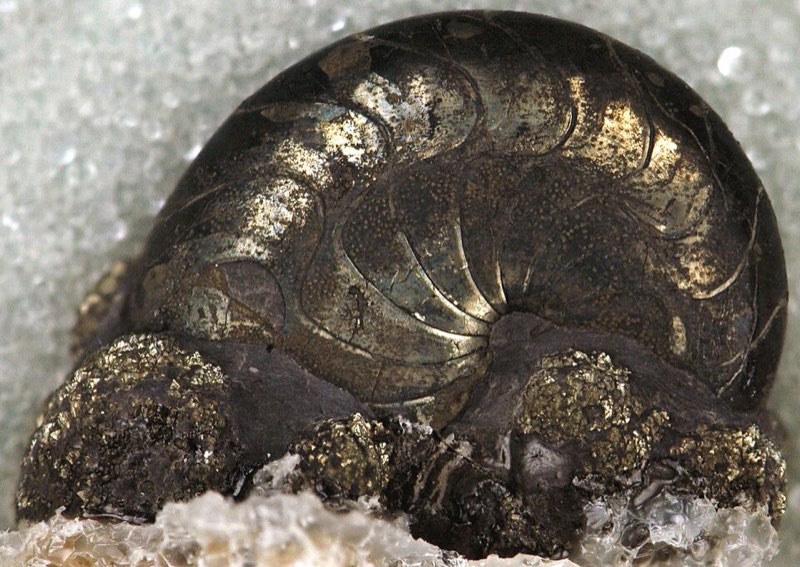
How to identify goniatite
- A coil, often preserved as a disk.
- Sutures are sharp zigzags, not the leafy frills of later ammonites.
- Shell material fizzes in acid.
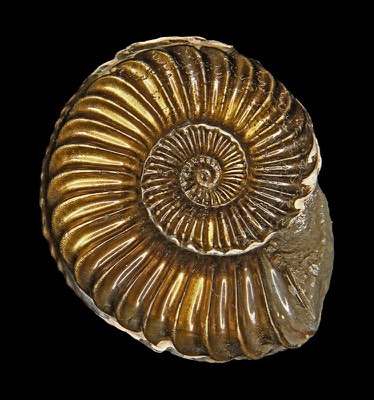
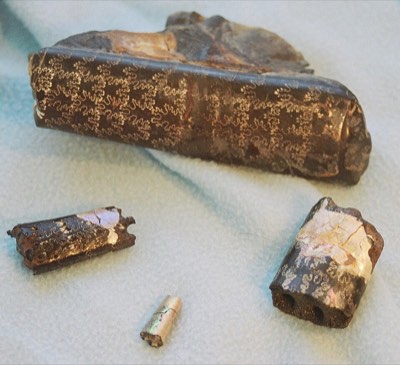
Often confused with
Where it's found
- Morocco
- Oklahoma
- Indiana
- Germany
Uses
Fossil collecting and dating Paleozoic rocks.
Rock tumbling
Not suitable for tumbling.
Did you know?
The zigzag suture is the quick way to tell a goniatite from a younger ammonite.
Goniatite FAQ
What is goniatite?
Goniatite is a fossil with a Mohs hardness of about 3–4 and a dull luster, usually gray, brown or white. An early ammonoid with a coiled shell and simple zigzag sutures, common in Paleozoic rocks.
How do you identify goniatite?
A coil, often preserved as a disk. Sutures are sharp zigzags, not the leafy frills of later ammonites. Shell material fizzes in acid.
How hard is goniatite?
Goniatite has a Mohs hardness of about 3–4. A steel knife scratches Goniatite, but a fingernail doesn't.
Where is goniatite found?
Notable localities include Morocco, Oklahoma, Indiana and Germany.
What is goniatite used for?
Fossil collecting and dating Paleozoic rocks.
Can you tumble goniatite?
It isn't a good choice for a rock tumbler.
What is goniatite often confused with?
Goniatite is most often confused with Ammonite and Baculites. Jurassic and Cretaceous ammonites have much more frilled sutures. Baculites is straight, not coiled.
Think you could spot it from a blurry close-up?
Play today's Rocksday