 Rocksday
Dravite
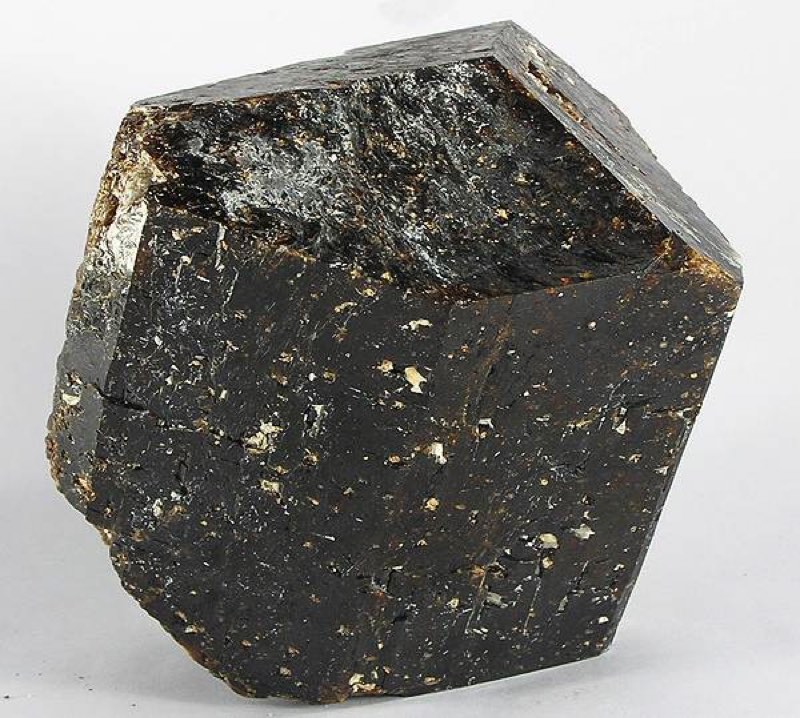
Dravite is a mineral with a Mohs hardness of 7–7.5 and a vitreous luster, usually brown, black, yellow or green.
Magnesium tourmaline, usually brown. It often grows in marble rather than in granite pegmatites.
How to identify dravite
- Brown prisms with a triangular cross-section and lengthwise grooves.
- Hardness 7–7.5.
- Commonly in pale metamorphic rocks.
Often confused with
Where it's found
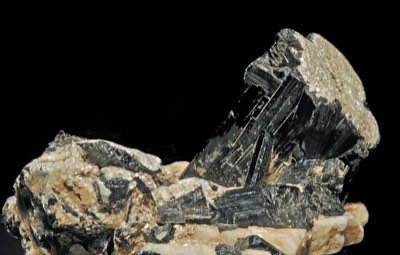
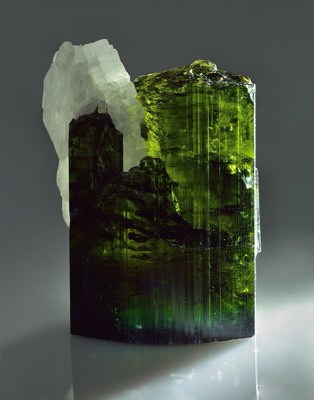
- Drava region, Slovenia
- Yinnietharra, Western Australia
- Tanzania
- Maine
Uses
Collector specimens and dark gems.
Rock tumbling
Great for tumbling.
Did you know?
It is named for the Drava River region, where it was first described.
Dravite FAQ
What is dravite?
Dravite is a mineral with a Mohs hardness of 7–7.5 and a vitreous luster, usually brown, black, yellow or green. Magnesium tourmaline, usually brown. It often grows in marble rather than in granite pegmatites.
How do you identify dravite?
Brown prisms with a triangular cross-section and lengthwise grooves. Hardness 7–7.5. Commonly in pale metamorphic rocks.
How hard is dravite?
Dravite has a Mohs hardness of 7–7.5. Dravite scratches glass, and a steel knife can't scratch it.
Where is dravite found?
Notable localities include Drava region, Slovenia; Yinnietharra, Western Australia; Tanzania; and Maine.
What is dravite used for?
Collector specimens and dark gems.
Can you tumble dravite?
Yes — it tumbles well.
What is dravite often confused with?
Dravite is most often confused with Black Tourmaline and Elbaite. Schorl is blacker and is the iron species, typical of granites. Elbaite is the brightly colored lithium species.
Think you could spot it from a blurry close-up?
Play today's Rocksday