 Rocksday
Black Tourmaline
Black Tourmaline is a mineral with a Mohs hardness of 7–7.5 and a vitreous luster, usually black.
Schorl, the iron tourmaline and the most common species of the group. Opaque black prisms with a triangular cross-section.
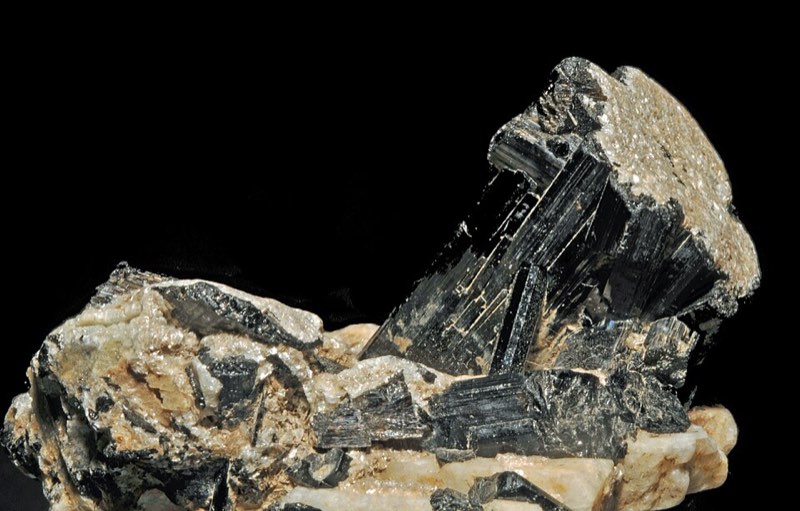
How to identify black tourmaline
- Black prisms with lengthwise grooves.
- A broken end is a rounded triangle, not a circle.
- Hard — scratches glass. White streak, not black.
- No cleavage. A magnet does not stick.
Often confused with
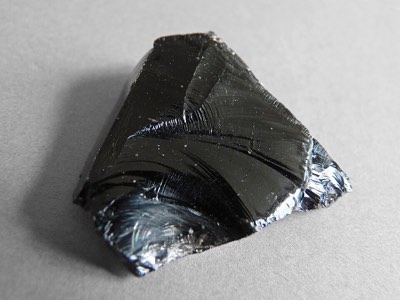 Obsidian
 is glass: softer, lighter, and it breaks in smooth curves with no crystal faces.
Compare side by side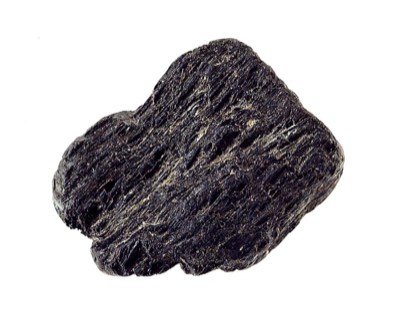
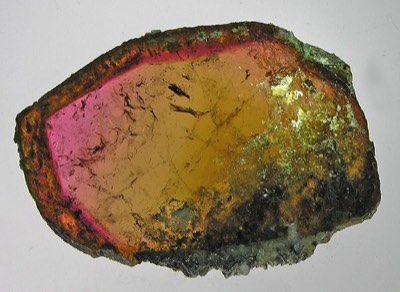 Tourmaline
Gem tourmaline is the same group in green, pink or other colors; schorl is the black species.
Compare side by side
Where it's found
- Erongo, Namibia
- Minas Gerais, Brazil
- New England, USA
- Alps
- Pakistan
Uses
Collector specimens. Piezoelectric, like other tourmaline.
Rock tumbling
Great for tumbling.
Did you know?
Most of the 'black tourmaline' in pegmatites and in shops is schorl.
Black Tourmaline FAQ
What is black tourmaline?
Black Tourmaline is a mineral with a Mohs hardness of 7–7.5 and a vitreous luster, usually black. Schorl, the iron tourmaline and the most common species of the group. Opaque black prisms with a triangular cross-section.
How do you identify black tourmaline?
Black prisms with lengthwise grooves. A broken end is a rounded triangle, not a circle. Hard — scratches glass. White streak, not black. No cleavage. A magnet does not stick.
How hard is black tourmaline?
Black Tourmaline has a Mohs hardness of 7–7.5. Black Tourmaline scratches glass, and a steel knife can't scratch it.
Where is black tourmaline found?
Notable localities include Erongo, Namibia; Minas Gerais, Brazil; New England, USA; Alps; and Pakistan.
What is black tourmaline used for?
Collector specimens. Piezoelectric, like other tourmaline.
Can you tumble black tourmaline?
Yes — it tumbles well.
What is black tourmaline often confused with?
Black Tourmaline is most often confused with Obsidian, Hornblende and Tourmaline. Obsidian is glass: softer, lighter, and it breaks in smooth curves with no crystal faces. Hornblende has two cleavages and is not as hard. Gem tourmaline is the same group in green, pink or other colors; schorl is the black species.
Think you could spot it from a blurry close-up?
Play today's Rocksday