 Rocksday
Hornblende
A common black amphibole and the dark specks in many granites and diorites.
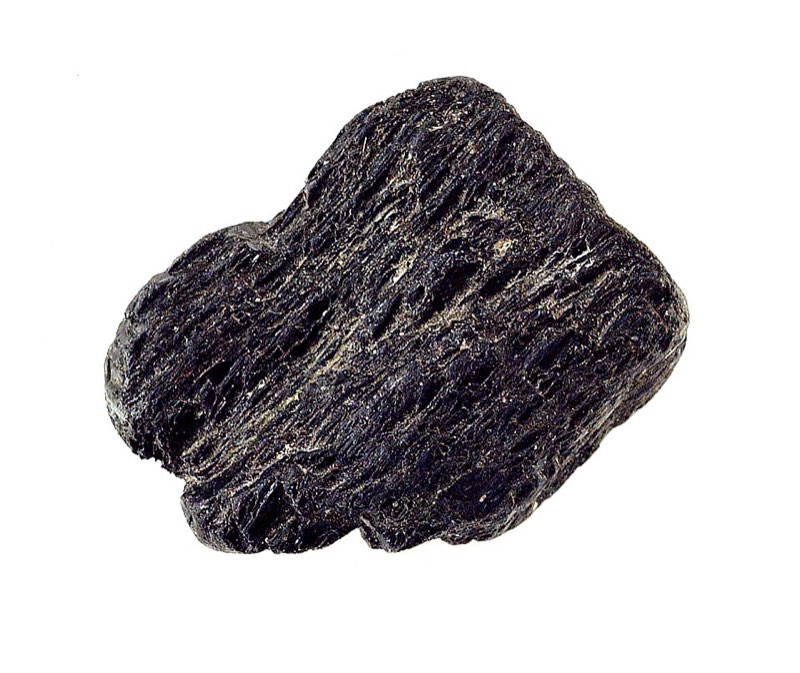
How to identify hornblende
- Black to dark green elongated prisms.
- Two cleavages meeting at about 56° and 124°.
- Shiny, splintery breaks.
Often confused with
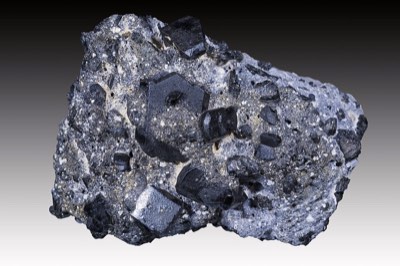
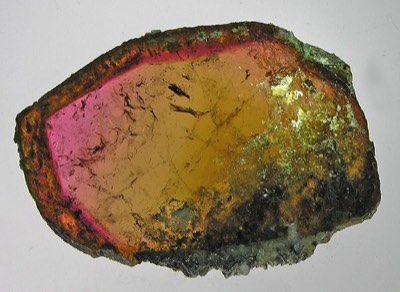
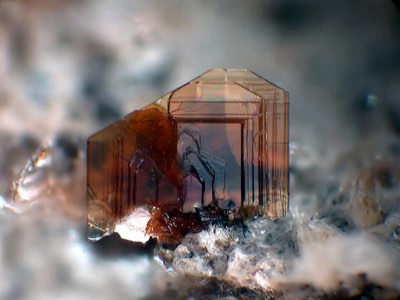
Where it's found
- Granites and diorites worldwide
- Amphibolites
- Ontario, Canada
Uses
Construction stone as a part of rocks.
Rock tumbling
Can be tumbled with care.
Did you know?
The name comes from old German miners' terms meaning 'horn' and 'deceive'.
Think you could spot it from a blurry close-up?
Play today's Rocksday