 Rocksday
Diamond
Pure carbon crystallized deep in the mantle and carried up in kimberlite eruptions. The hardest natural material.
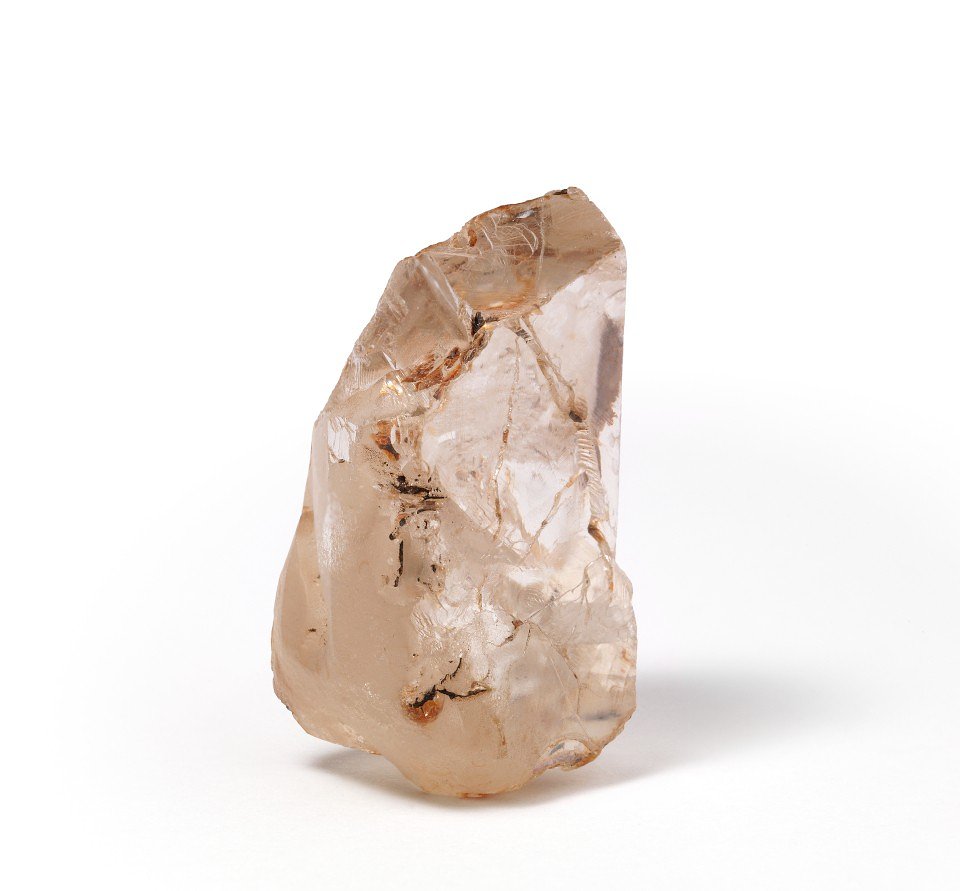
How to identify diamond
- Scratches everything — including corundum.
- Greasy-looking, extremely bright luster even in rough crystals.
- Often octahedral with slightly curved faces.
- Water beads up on its surface.
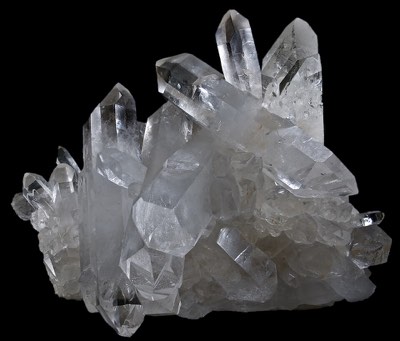
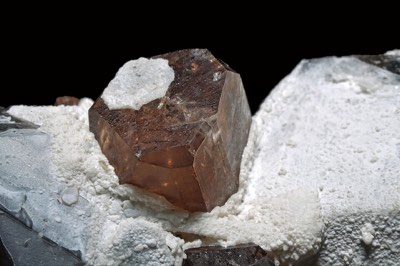
Often confused with
Where it's found
- Jwaneng, Botswana
- Yakutia, Russia
- Northwest Territories, Canada
- Crater of Diamonds, Arkansas
Uses
Gems, and cutting, drilling and polishing tools.
Rock tumbling
Not suitable for tumbling. Nothing to gain — and if you find one, keep it safe.
Did you know?
Your pencil's graphite is also pure carbon — same element, different crystal structure.
Think you could spot it from a blurry close-up?
Play today's Rocksday