 Rocksday
Garnet vs Sphalerite
How to tell them apart
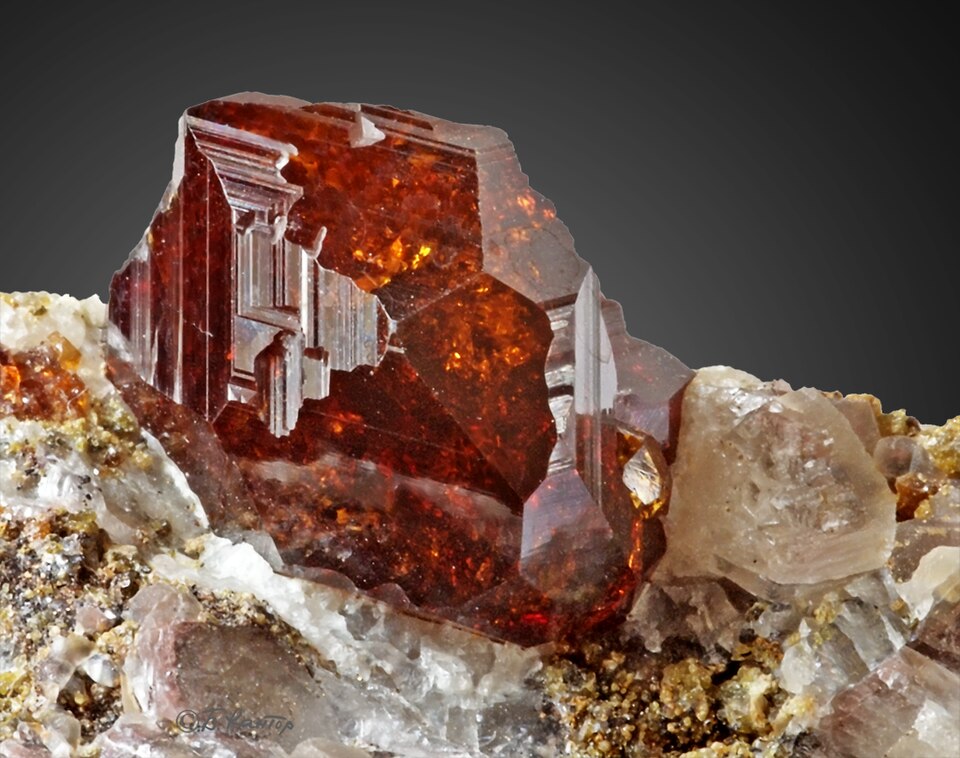
A family of silicate minerals that grow as round, many-faced crystals. Deep red almandine studding schist is the classic find.
Photo: Moha112100, CC BY-SA 3.0
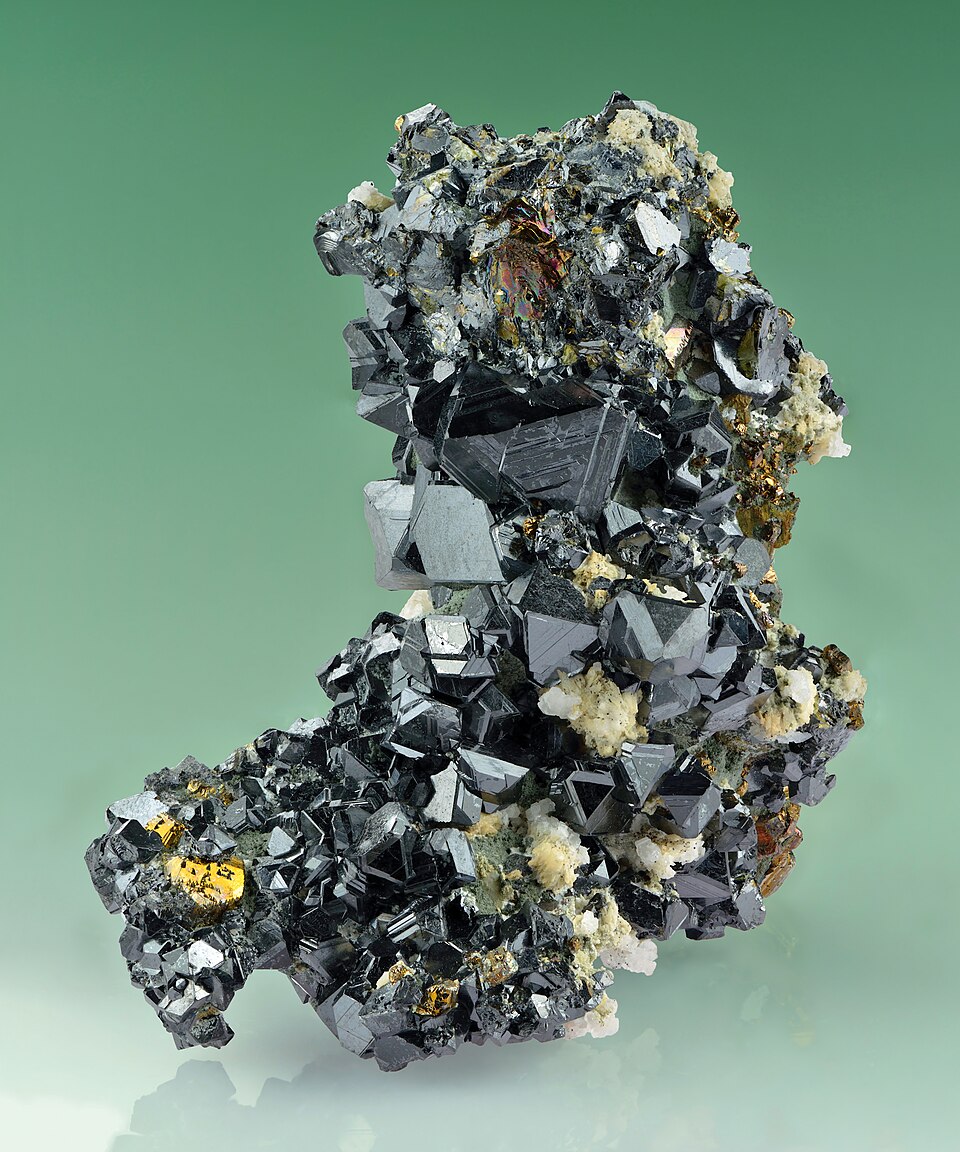
Zinc sulfide and the main ore of zinc. Its resinous, honey-to-black crystals can look metallic or almost gem-like.
Photo: Ivar Leidus, CC BY-SA 4.0
Quick tests
- Scratch glass: Garnet scratches glass (Mohs 7–7.5); Sphalerite can't (Mohs 3.5–4).
- Streak (rub on unglazed porcelain): Garnet leaves a white streak; Sphalerite leaves pale yellow to brown.
Key differences
- Garnet is harder and has no cleavage.
Side by side
| Property | Garnet | Sphalerite |
|---|---|---|
| Type | Mineral | Mineral |
| Mohs hardness | 7–7.5 | 3.5–4 |
| Luster | Vitreous | Resinous to adamantine |
| Streak | White | Pale yellow to brown |
| Colors | Red, Brown | Brown, Black, Yellow, Red |
| Crystal system | Cubic | Cubic |
| Specific gravity | 3.9–4.3 | 3.9–4.1 |
| Formula | Fe₃Al₂(SiO₄)₃ (almandine) | (Zn,Fe)S |
| Found in | Gore Mountain, New York; Emerald Creek, Idaho | Picos de Europa, Spain; Tri-State district, USA |
Properties that are the same for both are grayed out.
How to identify garnet
- Ball-shaped crystals with 12 or 24 faces.
- Deep wine-red to brown.
- Scratches glass.
- Often embedded in mica schist.
Crystal system: Cubic
Full Garnet guide →How to identify sphalerite
- Resinous, 'tree-sap' luster.
- Six directions of cleavage — sparkly broken surfaces.
- Pale yellowish streak, even from black pieces.
- Smells of rotten eggs in hydrochloric acid.
Crystal system: Cubic
Full Sphalerite guide →More comparisons
Could you tell them apart from a blurry close-up?
Play today's Rocksday