 Rocksday
Garnet vs Leucite
How to tell them apart
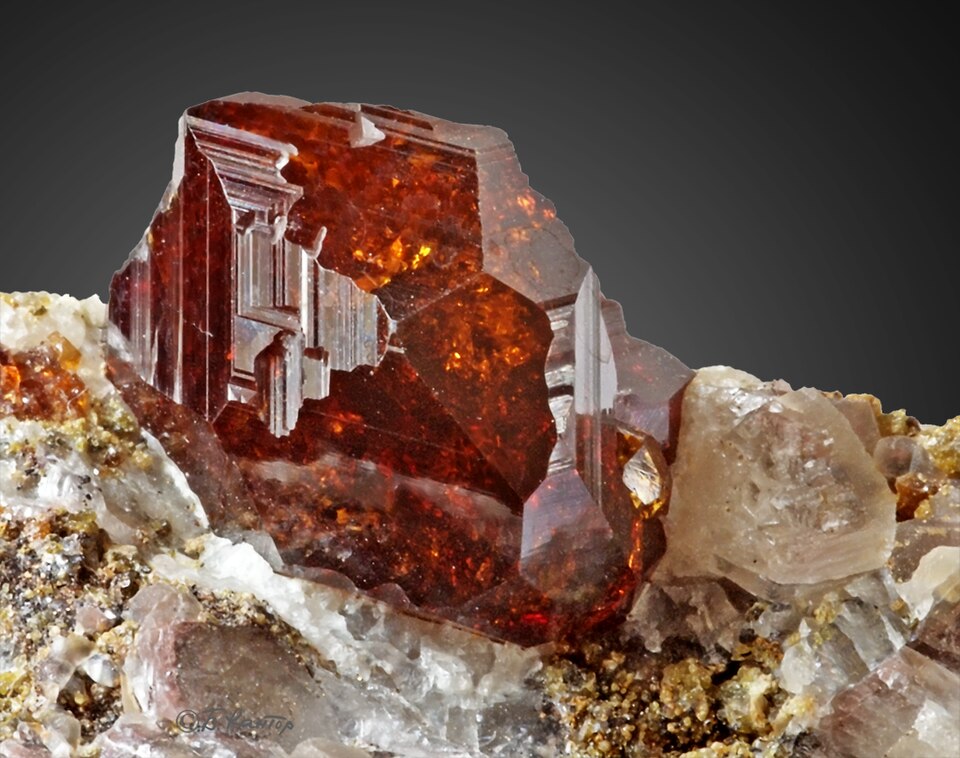
A family of silicate minerals that grow as round, many-faced crystals. Deep red almandine studding schist is the classic find.
Photo: Moha112100, CC BY-SA 3.0
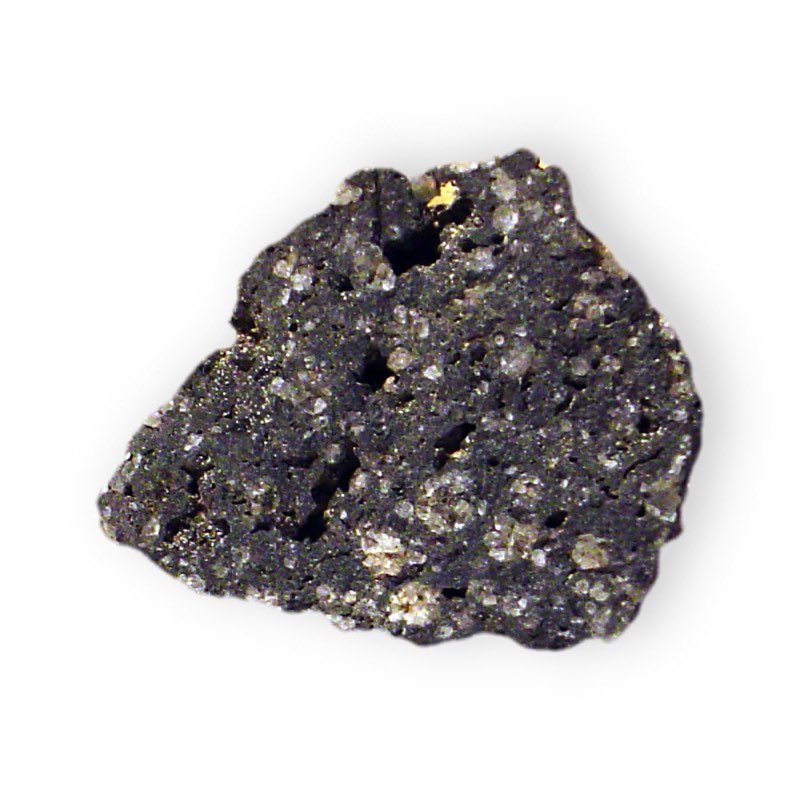
A potassium silicate forming white, ball-like 24-faced crystals in some lavas.
Photo: Dave Dyet http://www.shutterstone.com http://www.dyet.com, Public domain
Quick tests
- Hardness: Garnet is clearly harder: Mohs 7–7.5 versus 5.5–6.
- Heft: Garnet feels noticeably heavier for its size (specific gravity 3.9–4.3 vs 2.45–2.5).
Key differences
- Garnet is colored, heavier and harder.
Side by side
| Property | Garnet | Leucite |
|---|---|---|
| Type | Mineral | Mineral |
| Mohs hardness | 7–7.5 | 5.5–6 |
| Luster | Vitreous | Vitreous |
| Streak | White | White |
| Colors | Red, Brown | White, Gray |
| Crystal system | Cubic | Tetragonal (pseudo-cubic) |
| Specific gravity | 3.9–4.3 | 2.45–2.5 |
| Formula | Fe₃Al₂(SiO₄)₃ (almandine) | KAlSi₂O₆ |
| Found in | Gore Mountain, New York; Emerald Creek, Idaho | Mount Vesuvius, Italy; Alban Hills, Italy |
Properties that are the same for both are grayed out.
How to identify garnet
- Ball-shaped crystals with 12 or 24 faces.
- Deep wine-red to brown.
- Scratches glass.
- Often embedded in mica schist.
Crystal system: Cubic
Full Garnet guide →How to identify leucite
- Dull white rounded crystals with many faces, set in lava.
- Hardness about 6.
- Light in weight.
Crystal system: Tetragonal (pseudo-cubic)
Full Leucite guide →More comparisons
Could you tell them apart from a blurry close-up?
Play today's Rocksday