 Rocksday
Tonalite
Tonalite is an igneous rock with a Mohs hardness of about 6–7 and a granular luster, usually gray, white or black.
A coarse intrusive rock of quartz and plagioclase with almost no potassium feldspar. It looks like a gray granite.
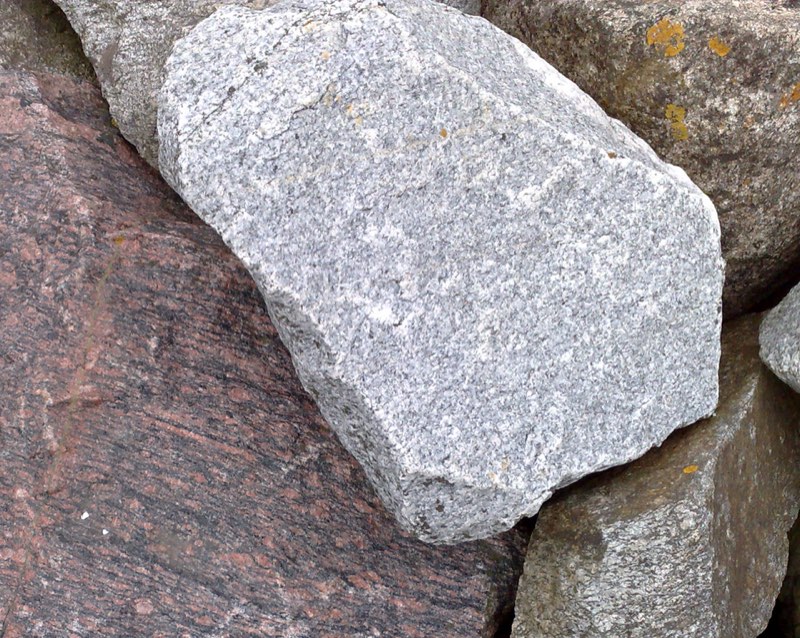
How to identify tonalite
- Gray, speckled, with glassy quartz.
- Feldspar is white plagioclase, not pink alkali feldspar.
- Dark grains of hornblende or biotite.
Often confused with
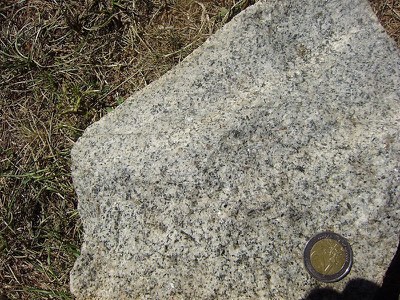
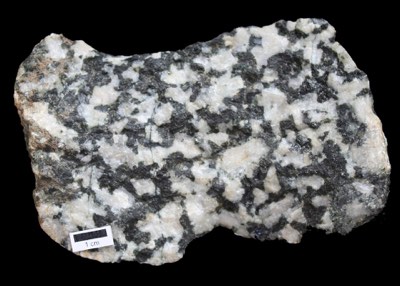
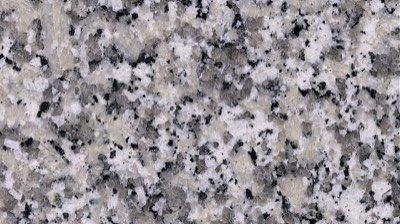
Where it's found
- Tonale Pass, Italy
- Coastal Batholith, Peru
- Sierra Nevada, California
Uses
Crushed stone and building stone.
Rock tumbling
Great for tumbling.
Did you know?
The name comes from Tonale Pass in the Italian Alps, and much of Peru's Coastal Batholith is tonalite.
Tonalite FAQ
What is tonalite?
Tonalite is an igneous rock with a Mohs hardness of about 6–7 and a granular luster, usually gray, white or black. A coarse intrusive rock of quartz and plagioclase with almost no potassium feldspar. It looks like a gray granite.
How do you identify tonalite?
Gray, speckled, with glassy quartz. Feldspar is white plagioclase, not pink alkali feldspar. Dark grains of hornblende or biotite.
How hard is tonalite?
Tonalite has a Mohs hardness of about 6–7. Tonalite scratches glass, and a steel knife can't scratch it.
Where is tonalite found?
Notable localities include Tonale Pass, Italy; Coastal Batholith, Peru; and Sierra Nevada, California.
What is tonalite used for?
Crushed stone and building stone.
Can you tumble tonalite?
Yes — it tumbles well.
What is tonalite often confused with?
Tonalite is most often confused with Granodiorite, Diorite and Granite. Granodiorite has more potassium feldspar, often as pink grains. Diorite has little or no quartz. Granite has abundant potassium feldspar, often pink.
Think you could spot it from a blurry close-up?
Play today's Rocksday