 Rocksday
Snowflake Obsidian
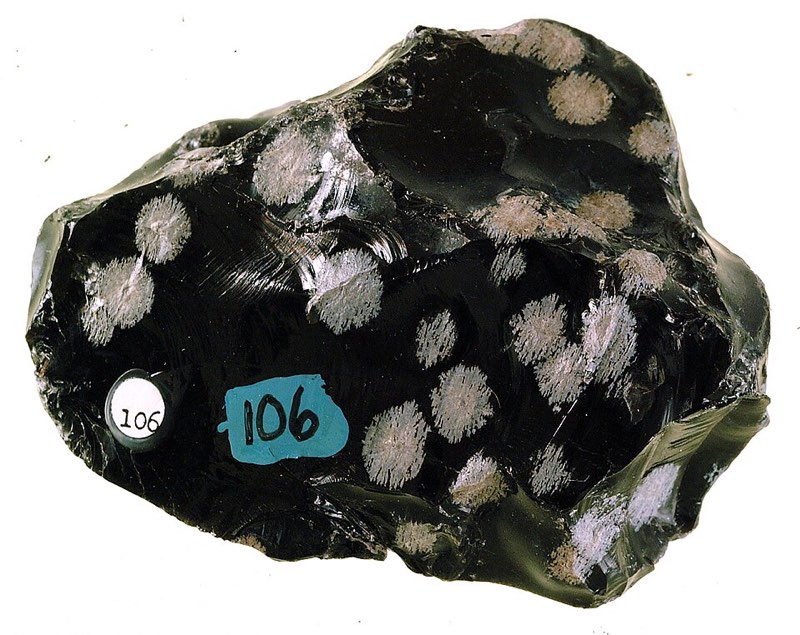
Snowflake Obsidian is an igneous rock with a Mohs hardness of about 5–5.5 and a glassy luster, usually black, white or gray.
Black obsidian sprinkled with white patches of cristobalite that grew as tiny spherulites in the glass.
How to identify snowflake obsidian
- Glassy black with snowflake-like white spots.
- Curved, sharp fracture. Thin edges are translucent.
- Softer than quartz — a steel file scratches it.
Often confused with
Where it's found
- Millard County, Utah
- Mexico
- Oregon
Uses
Cabochons and tumbled stones.
Rock tumbling
Can be tumbled with care. It's glass — chips easily.
Did you know?
The white 'snowflakes' are cristobalite, a high-temperature form of silica, not trapped snow.
Snowflake Obsidian FAQ
What is snowflake obsidian?
Snowflake Obsidian is an igneous rock with a Mohs hardness of about 5–5.5 and a glassy luster, usually black, white or gray. Black obsidian sprinkled with white patches of cristobalite that grew as tiny spherulites in the glass.
How do you identify snowflake obsidian?
Glassy black with snowflake-like white spots. Curved, sharp fracture. Thin edges are translucent. Softer than quartz — a steel file scratches it.
How hard is snowflake obsidian?
Snowflake Obsidian has a Mohs hardness of about 5–5.5. A steel knife scratches Snowflake Obsidian, but a fingernail doesn't.
Where is snowflake obsidian found?
Notable localities include Millard County, Utah; Mexico; and Oregon.
What is snowflake obsidian used for?
Cabochons and tumbled stones.
Can you tumble snowflake obsidian?
Yes, with care. It's glass — chips easily.
What is snowflake obsidian often confused with?
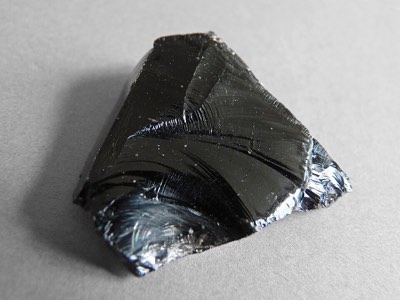
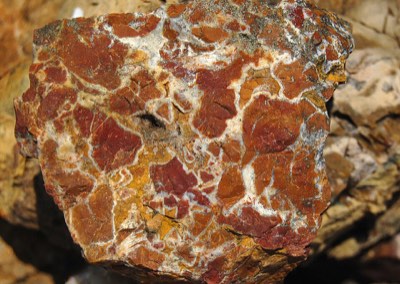
Snowflake Obsidian is most often confused with Obsidian and Jasper. Plain obsidian lacks the white cristobalite spots. Jasper is opaque, waxy and much harder.
Think you could spot it from a blurry close-up?
Play today's Rocksday