 Rocksday
Selenite
Selenite is a mineral (CaSO₄·2H₂O) with a Mohs hardness of 2 and a vitreous to pearly luster, usually colorless, white, gray or brown.
The clear, bladed variety of gypsum. Thin sheets peel off and bend, and a fingernail scratches it.
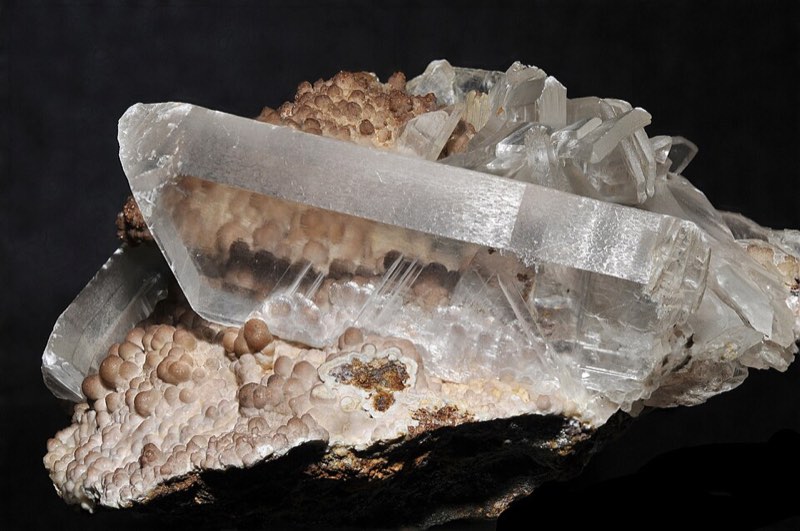
How to identify selenite
- Colorless blades or windows you can see through.
- A fingernail scratches it (hardness 2).
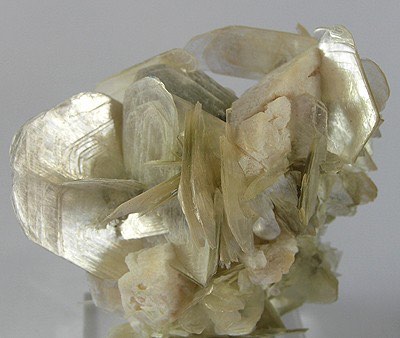
- Thin sheets bend and stay bent; they do not spring back like mica.
- Does not fizz in acid and does not taste salty.
Often confused with
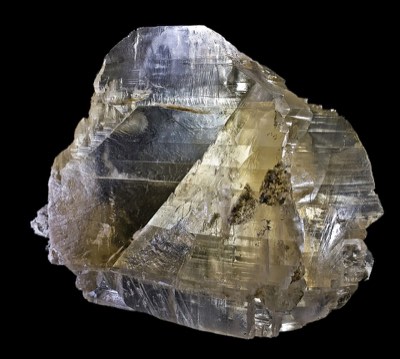 Gypsum
Selenite is the transparent crystal form of gypsum; massive gypsum is dull and sugary.
Compare side by side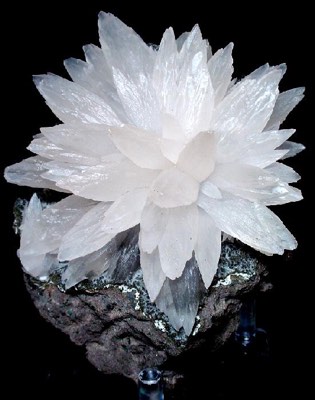
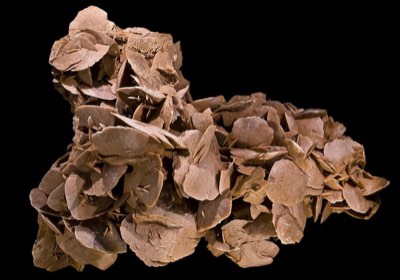
Where it's found
- Great Salt Plains, Oklahoma
- Naica, Mexico
- Manitoba, Canada
- Poland
Uses
Optical demonstration pieces, carvings and plaster — it is gypsum.
Rock tumbling
Not suitable for tumbling. A fingernail scratches it, and water softens the surface.
Did you know?
Hourglass selenite from Oklahoma's Great Salt Plains, with sand trapped in an hourglass pattern, is the state crystal (2005).
Selenite FAQ
What is selenite?
Selenite is a mineral (CaSO₄·2H₂O) with a Mohs hardness of 2 and a vitreous to pearly luster, usually colorless, white, gray or brown. The clear, bladed variety of gypsum. Thin sheets peel off and bend, and a fingernail scratches it.
How do you identify selenite?
Colorless blades or windows you can see through. A fingernail scratches it (hardness 2). Thin sheets bend and stay bent; they do not spring back like mica. Does not fizz in acid and does not taste salty.
How hard is selenite?
Selenite has a Mohs hardness of 2. Selenite is soft enough to scratch with a fingernail.
Where is selenite found?
Notable localities include Great Salt Plains, Oklahoma; Naica, Mexico; Manitoba, Canada; and Poland.
What is selenite used for?
Optical demonstration pieces, carvings and plaster — it is gypsum.
Can you tumble selenite?
It isn't a good choice for a rock tumbler. A fingernail scratches it, and water softens the surface.
What is selenite often confused with?
Selenite is most often confused with Gypsum, Calcite, Muscovite and Desert Rose. Selenite is the transparent crystal form of gypsum; massive gypsum is dull and sugary. Calcite is harder and fizzes in acid. Mica sheets are elastic and spring back. A desert rose is a sand-filled rosette, not a clear blade.
Think you could spot it from a blurry close-up?
Play today's Rocksday