 Rocksday
Desert Rose
Desert Rose is a mineral with a Mohs hardness of 2–3.5 and an earthy to vitreous luster, usually brown, white, yellow or orange.
A sand-filled rosette of gypsum or of barite. The petals are flat crystals that grew in loose sand.
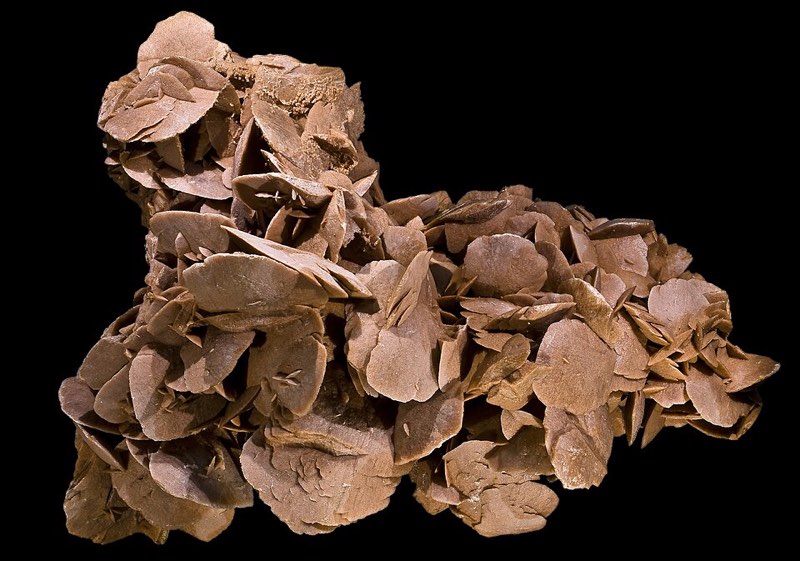
How to identify desert rose
- Rose or ball of sandy petals.
- Gypsum roses scratch with a fingernail and feel light.
- Barite roses need a knife to scratch and feel heavy.
- Neither fizzes in acid.
Often confused with
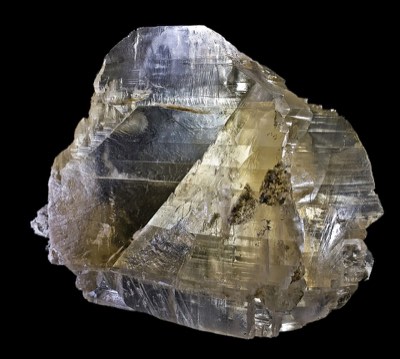 Gypsum
Clear gypsum blades are selenite; a desert rose has sand between the petals.
Compare side by side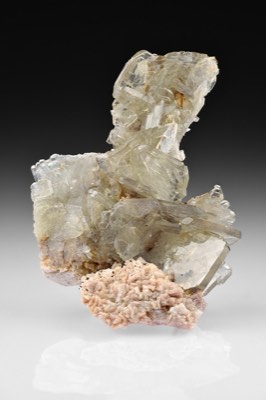 Barite
Tabular barite crystals lack the sandy rose shape; Oklahoma rose rocks are barite grown this way.
Compare side by side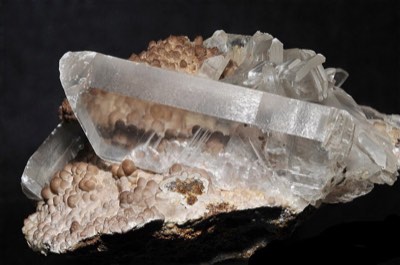
Where it's found
- Sahara, Tunisia and Algeria
- Chihuahua, Mexico
- Norman, Oklahoma
- Arizona
Uses
Decorative specimens.
Rock tumbling
Not suitable for tumbling. Sand falls out and gypsum roses are far too soft.
Did you know?
Oklahoma's state rock, named in 1968, is the barite rose. Saharan roses are usually gypsum.
Desert Rose FAQ
What is desert rose?
Desert Rose is a mineral with a Mohs hardness of 2–3.5 and an earthy to vitreous luster, usually brown, white, yellow or orange. A sand-filled rosette of gypsum or of barite. The petals are flat crystals that grew in loose sand.
How do you identify desert rose?
Rose or ball of sandy petals. Gypsum roses scratch with a fingernail and feel light. Barite roses need a knife to scratch and feel heavy. Neither fizzes in acid.
How hard is desert rose?
Desert Rose has a Mohs hardness of 2–3.5. Its hardness varies from 2 to 3.5, so scratch tests depend on the piece.
Where is desert rose found?
Notable localities include Sahara, Tunisia and Algeria; Chihuahua, Mexico; Norman, Oklahoma; and Arizona.
What is desert rose used for?
Decorative specimens.
Can you tumble desert rose?
It isn't a good choice for a rock tumbler. Sand falls out and gypsum roses are far too soft.
What is desert rose often confused with?
Desert Rose is most often confused with Gypsum, Barite and Selenite. Clear gypsum blades are selenite; a desert rose has sand between the petals. Tabular barite crystals lack the sandy rose shape; Oklahoma rose rocks are barite grown this way. Selenite is clear and bladed, not a sand rosette.
Think you could spot it from a blurry close-up?
Play today's Rocksday