 Rocksday
Milky Quartz
Milky Quartz is a mineral (SiO₂) with a Mohs hardness of 7 and a vitreous to greasy luster, usually white.
The common white quartz. The cloudiness is light scattering off microscopic fluid bubbles trapped as the crystal grew.
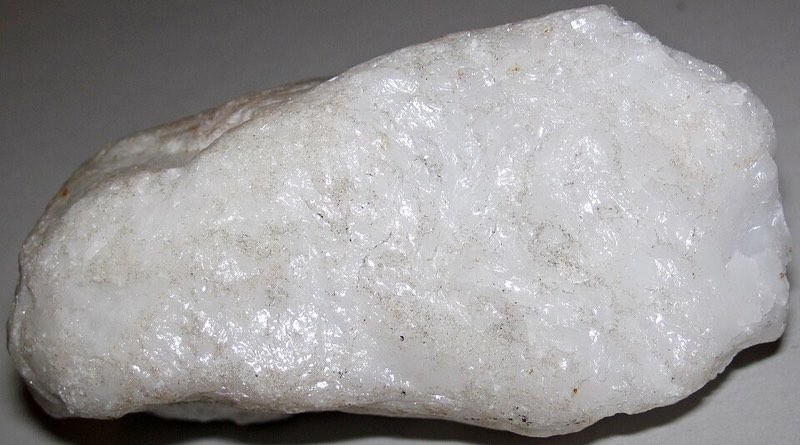
How to identify milky quartz
- White and translucent rather than glassy-clear.
- Hardness 7 — scratches glass, no cleavage.
- Often massive veins or chunky crystals.
Often confused with
Where it's found
- Arkansas
- Minas Gerais, Brazil
- Alps
- Madagascar
Uses
Gravel, glass, electronics-grade silica and tumbled stones.
Rock tumbling
Great for tumbling.
Did you know?
The white color is not a stain — it's countless tiny pockets of water and gas frozen inside the crystal.
Milky Quartz FAQ
What is milky quartz?
Milky Quartz is a mineral (SiO₂) with a Mohs hardness of 7 and a vitreous to greasy luster, usually white. The common white quartz. The cloudiness is light scattering off microscopic fluid bubbles trapped as the crystal grew.
How do you identify milky quartz?
White and translucent rather than glassy-clear. Hardness 7 — scratches glass, no cleavage. Often massive veins or chunky crystals.
How hard is milky quartz?
Milky Quartz has a Mohs hardness of 7. Milky Quartz scratches glass, and a steel knife can't scratch it.
Where is milky quartz found?
Notable localities include Arkansas; Minas Gerais, Brazil; Alps; and Madagascar.
What is milky quartz used for?
Gravel, glass, electronics-grade silica and tumbled stones.
Can you tumble milky quartz?
Yes — it tumbles well.
What is milky quartz often confused with?
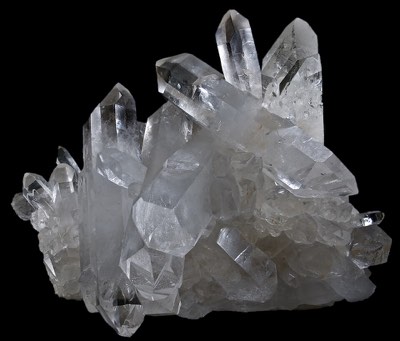
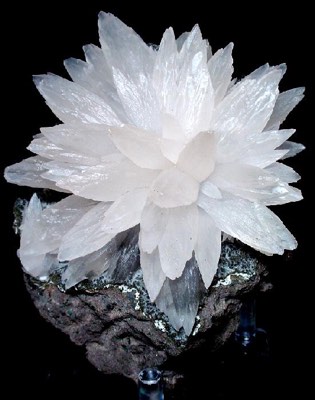
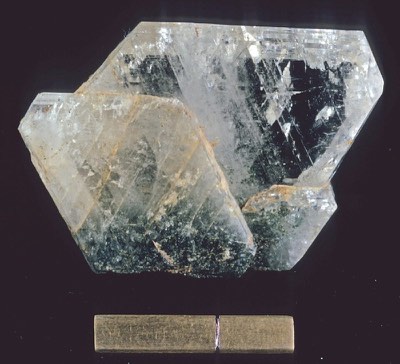
Milky Quartz is most often confused with Quartz, Calcite and Albite. Rock crystal is transparent; milky quartz is cloudy white. Calcite fizzes, cleaves into rhombs and is much softer. Albite is softer and shows flat cleavage faces.
Think you could spot it from a blurry close-up?
Play today's Rocksday