 Rocksday
Linarite
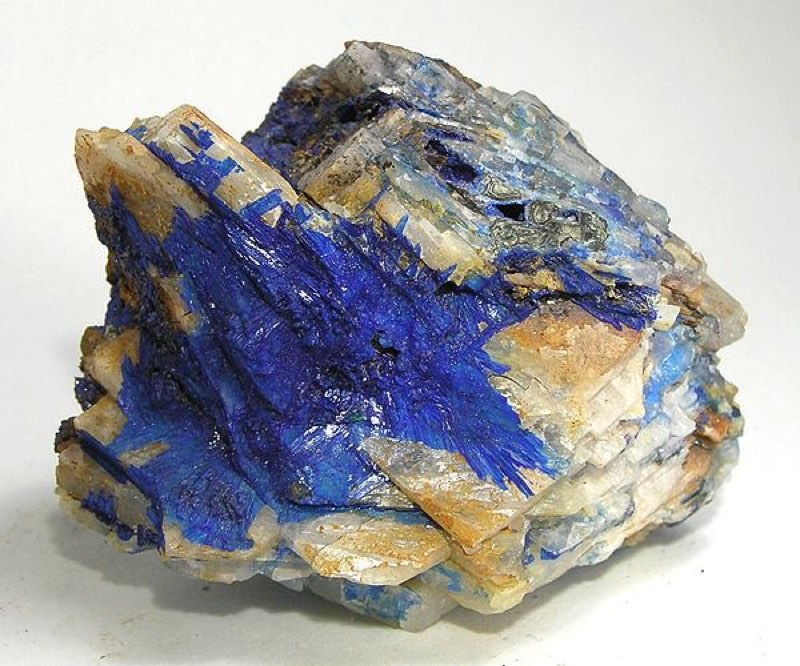
Linarite is a mineral with a Mohs hardness of 2.5 and an adamantine to vitreous luster, usually blue.
A deep blue lead-copper sulfate, often mistaken for azurite. It does not fizz, and it is much heavier.
How to identify linarite
- Intense blue crystals or crusts.
- A fingernail almost scratches it.
- No fizz in acid — azurite fizzes.
- Surprisingly heavy.
Often confused with
Where it's found
- Linares, Spain
- Arizona
- Scotland
- Tsumeb, Namibia
Uses
Collector specimens.
Rock tumbling
Not suitable for tumbling.
Did you know?
It is named for Linares, Spain.
Linarite FAQ
What is linarite?
Linarite is a mineral with a Mohs hardness of 2.5 and an adamantine to vitreous luster, usually blue. A deep blue lead-copper sulfate, often mistaken for azurite. It does not fizz, and it is much heavier.
How do you identify linarite?
Intense blue crystals or crusts. A fingernail almost scratches it. No fizz in acid — azurite fizzes. Surprisingly heavy.
How hard is linarite?
Linarite has a Mohs hardness of 2.5. Linarite is soft enough to scratch with a fingernail.
Where is linarite found?
Notable localities include Linares, Spain; Arizona; Scotland; and Tsumeb, Namibia.
What is linarite used for?
Collector specimens.
Can you tumble linarite?
It isn't a good choice for a rock tumbler.
What is linarite often confused with?
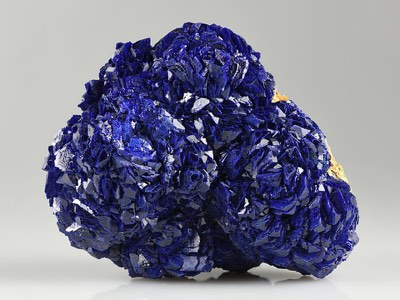
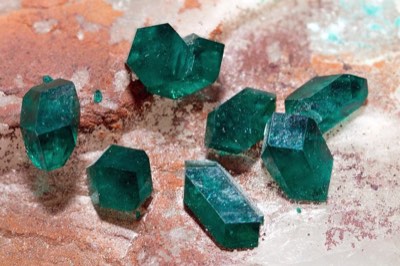
Linarite is most often confused with Azurite and Dioptase. Azurite fizzes in acid and is lighter. Dioptase is emerald green, not blue, and harder.
Think you could spot it from a blurry close-up?
Play today's Rocksday