 Rocksday
Heliodor
Heliodor is a mineral (Be₃Al₂Si₆O₁₈) with a Mohs hardness of 7.5–8 and a vitreous luster, usually yellow or golden.
Yellow to golden beryl, colored by iron. It grows as the same six-sided columns as emerald and aquamarine.
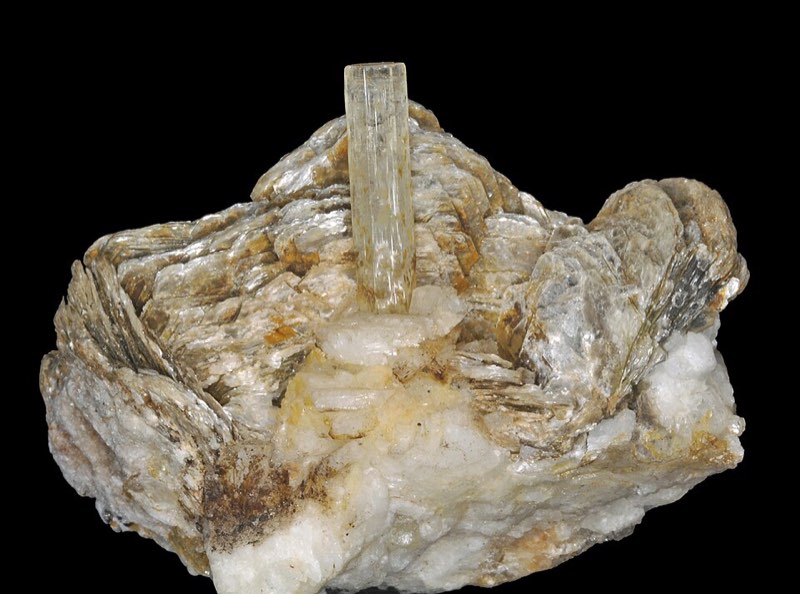
How to identify heliodor
- Yellow hexagonal prisms with flat ends.
- Hardness 7.5–8 — scratches quartz.
- Lighter in the hand than a yellow sapphire or a garnet.
Often confused with
Where it's found
- Volodarsk, Ukraine
- Minas Gerais, Brazil
- Namibia
- Madagascar
- Ural Mountains, Russia
Uses
Gemstones.
Rock tumbling
Great for tumbling.
Did you know?
The name means 'gift of the sun.'
Heliodor FAQ
What is heliodor?
Heliodor is a mineral (Be₃Al₂Si₆O₁₈) with a Mohs hardness of 7.5–8 and a vitreous luster, usually yellow or golden. Yellow to golden beryl, colored by iron. It grows as the same six-sided columns as emerald and aquamarine.
How do you identify heliodor?
Yellow hexagonal prisms with flat ends. Hardness 7.5–8 — scratches quartz. Lighter in the hand than a yellow sapphire or a garnet.
How hard is heliodor?
Heliodor has a Mohs hardness of 7.5–8. Heliodor scratches glass, and a steel knife can't scratch it.
Where is heliodor found?
Notable localities include Volodarsk, Ukraine; Minas Gerais, Brazil; Namibia; Madagascar; and Ural Mountains, Russia.
What is heliodor used for?
Gemstones.
Can you tumble heliodor?
Yes — it tumbles well.
What is heliodor often confused with?
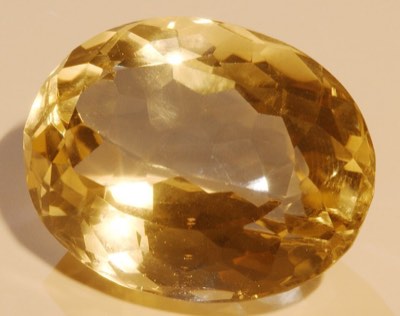
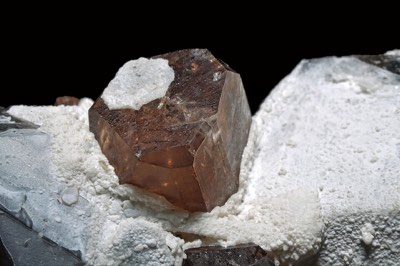
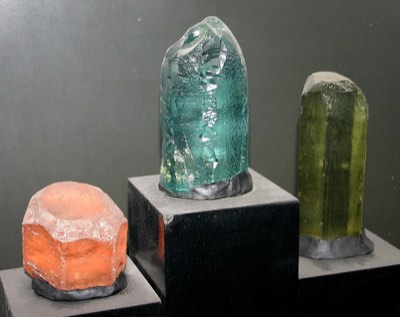
Heliodor is most often confused with Citrine, Topaz and Beryl. Citrine is quartz: softer, and its crystals end in points. Topaz is heavier and has one perfect cleavage. Heliodor is the yellow variety of beryl.
Think you could spot it from a blurry close-up?
Play today's Rocksday