 Rocksday
Cryolite
Cryolite is a mineral (Na₃AlF₆) with a Mohs hardness of 2.5 and a vitreous to greasy luster, usually white, colorless or gray.
A rare sodium-aluminum fluoride. The only large deposit, at Ivittuut in Greenland, was mined until 1987 as the flux that made aluminum smelting practical.
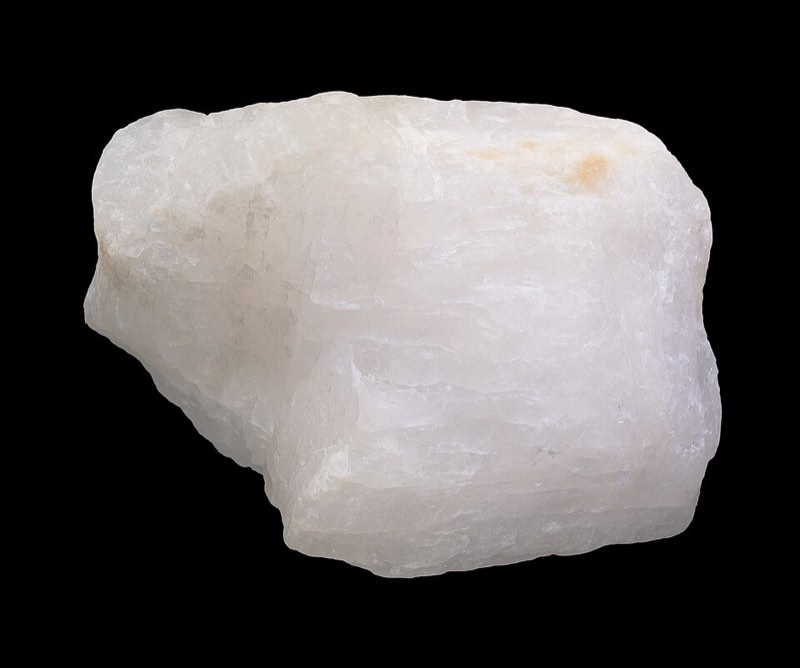
How to identify cryolite
- Colorless to white, waxy masses.
- A fingernail barely scratches it.
- Powdered in water, it nearly disappears — its refractive index is close to water's.
Often confused with
Where it's found
- Ivittuut, Greenland
Uses
Historically the flux for aluminum; synthetic cryolite is used now.
Rock tumbling
Not suitable for tumbling.
Did you know?
The Ivittuut mine closed in 1987. Nearly all cryolite used in smelters since then is made in factories.
Cryolite FAQ
What is cryolite?
Cryolite is a mineral (Na₃AlF₆) with a Mohs hardness of 2.5 and a vitreous to greasy luster, usually white, colorless or gray. A rare sodium-aluminum fluoride. The only large deposit, at Ivittuut in Greenland, was mined until 1987 as the flux that made aluminum smelting practical.
How do you identify cryolite?
Colorless to white, waxy masses. A fingernail barely scratches it. Powdered in water, it nearly disappears — its refractive index is close to water's.
How hard is cryolite?
Cryolite has a Mohs hardness of 2.5. Cryolite is soft enough to scratch with a fingernail.
Where is cryolite found?
Notable localities include Ivittuut, Greenland.
What is cryolite used for?
Historically the flux for aluminum; synthetic cryolite is used now.
Can you tumble cryolite?
It isn't a good choice for a rock tumbler.
What is cryolite often confused with?
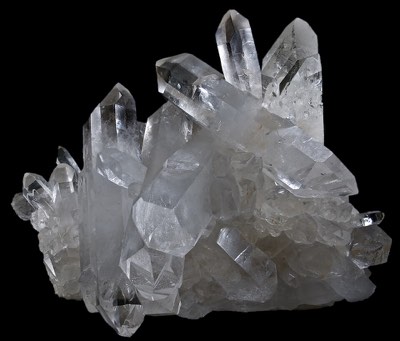
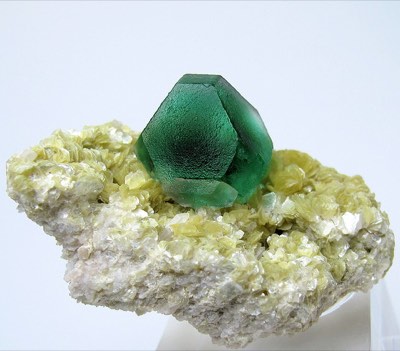
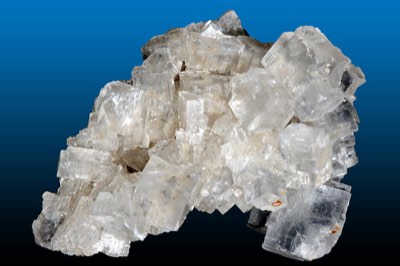
Cryolite is most often confused with Quartz, Fluorite and Halite. Quartz is much harder. Fluorite cleaves into octahedrons and is harder (4). Halite tastes salty and dissolves freely.
Think you could spot it from a blurry close-up?
Play today's Rocksday