 Rocksday
Coprolite
Coprolite is a fossil with a Mohs hardness of about 3–4 and a dull luster, usually brown, gray, black or green.
Fossil feces. Many are phosphatic, nodular and keep a spiral or lumpy shape.
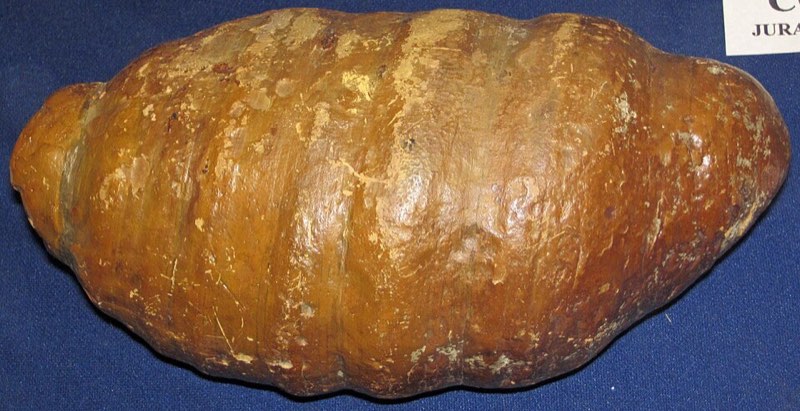
How to identify coprolite
- A lump, spiral or segmented nodule that isn't a shell.
- Often brown or black, sometimes with bone or scale fragments.
- Heavier than a similar piece of shale.
Often confused with
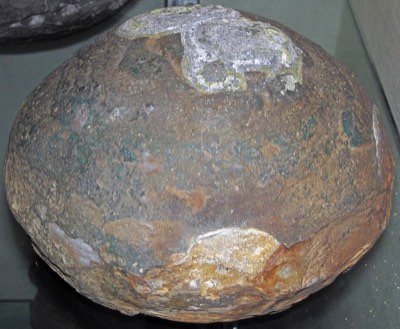 Concretion
s are mineral growths around a nucleus and lack a dung shape or bone fragments.
Compare side by side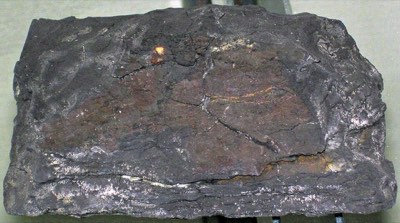
Where it's found
- Lyme Regis, England
- South Carolina
- Washington
Uses
Trace-fossil study, and historically as phosphate fertilizer.
Rock tumbling
Not suitable for tumbling.
Did you know?
William Buckland described them in 1829 and showed that some 'bezoar stones' were fossil feces.
Coprolite FAQ
What is coprolite?
Coprolite is a fossil with a Mohs hardness of about 3–4 and a dull luster, usually brown, gray, black or green. Fossil feces. Many are phosphatic, nodular and keep a spiral or lumpy shape.
How do you identify coprolite?
A lump, spiral or segmented nodule that isn't a shell. Often brown or black, sometimes with bone or scale fragments. Heavier than a similar piece of shale.
How hard is coprolite?
Coprolite has a Mohs hardness of about 3–4. A steel knife scratches Coprolite, but a fingernail doesn't.
Where is coprolite found?
Notable localities include Lyme Regis, England; South Carolina; and Washington.
What is coprolite used for?
Trace-fossil study, and historically as phosphate fertilizer.
Can you tumble coprolite?
It isn't a good choice for a rock tumbler.
What is coprolite often confused with?
Coprolite is most often confused with Concretion and Shale. Concretions are mineral growths around a nucleus and lack a dung shape or bone fragments. Shale is a flat rock, not a discrete pellet or spiral.
Think you could spot it from a blurry close-up?
Play today's Rocksday