 Rocksday
Cannel Coal
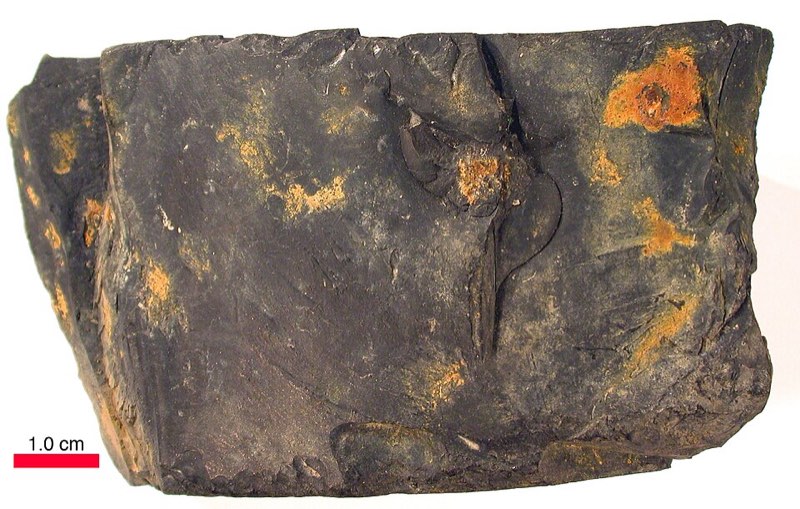
Cannel Coal is a sedimentary rock with a Mohs hardness of about 2–3 and a dull to greasy luster, usually black or gray.
A fine, even bituminous coal that breaks with a curved fracture and burns with a bright flame.
How to identify cannel coal
- Black, dull to satiny, with a smooth curved break.
- Very light. Does not soil your hands as much as ordinary coal.
- A knife scratches it.
Often confused with
Where it's found
- Scotland
- Kentucky
- West Virginia
- Ohio
Uses
Historically distilled for lamp oil and gas. Carving.
Rock tumbling
Not suitable for tumbling.
Did you know?
It is also called candle coal because a thin splinter can burn with a bright, steady flame.
Cannel Coal FAQ
What is cannel coal?
Cannel Coal is a sedimentary rock with a Mohs hardness of about 2–3 and a dull to greasy luster, usually black or gray. A fine, even bituminous coal that breaks with a curved fracture and burns with a bright flame.
How do you identify cannel coal?
Black, dull to satiny, with a smooth curved break. Very light. Does not soil your hands as much as ordinary coal. A knife scratches it.
How hard is cannel coal?
Cannel Coal has a Mohs hardness of about 2–3. Its hardness varies from 2 to 3, so scratch tests depend on the piece.
Where is cannel coal found?
Notable localities include Scotland, Kentucky, West Virginia and Ohio.
What is cannel coal used for?
Historically distilled for lamp oil and gas. Carving.
Can you tumble cannel coal?
It isn't a good choice for a rock tumbler.
What is cannel coal often confused with?
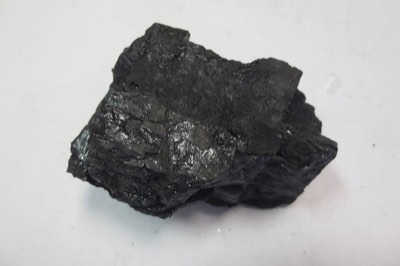
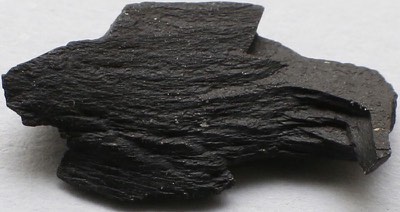
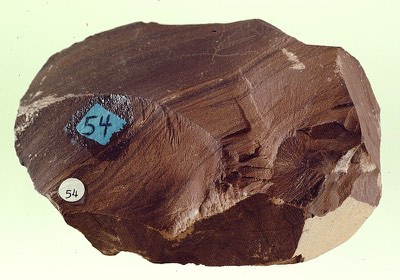
Cannel Coal is most often confused with Coal, Jet and Oil Shale. Ordinary bituminous coal is duller, blockier and dirties your fingers. Jet is tougher and takes a brighter polish; it is a gem variety of coal. Oil shale is heavier and usually gray-brown and layered.
Think you could spot it from a blurry close-up?
Play today's Rocksday