 Rocksday
Cannel Coal vs Coal
To tell Cannel Coal from Coal: Ordinary bituminous coal is duller, blockier and dirties your fingers.
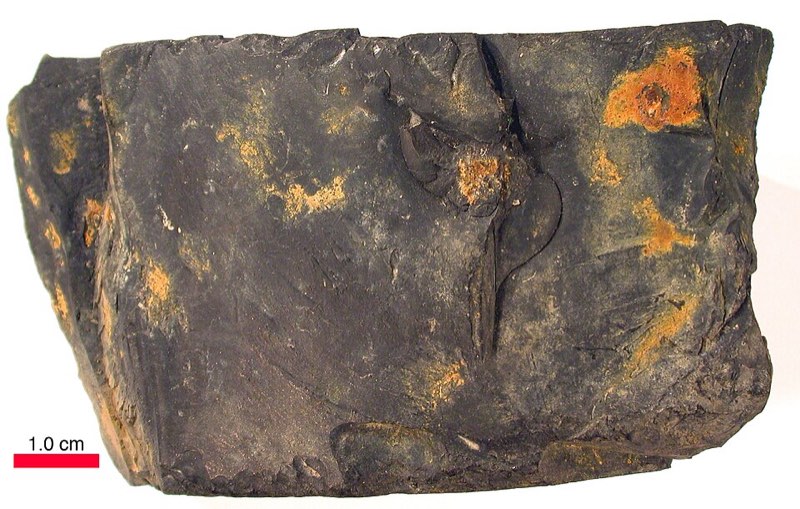
A fine, even bituminous coal that breaks with a curved fracture and burns with a bright flame.
Photo: Wilson44691, Public domain
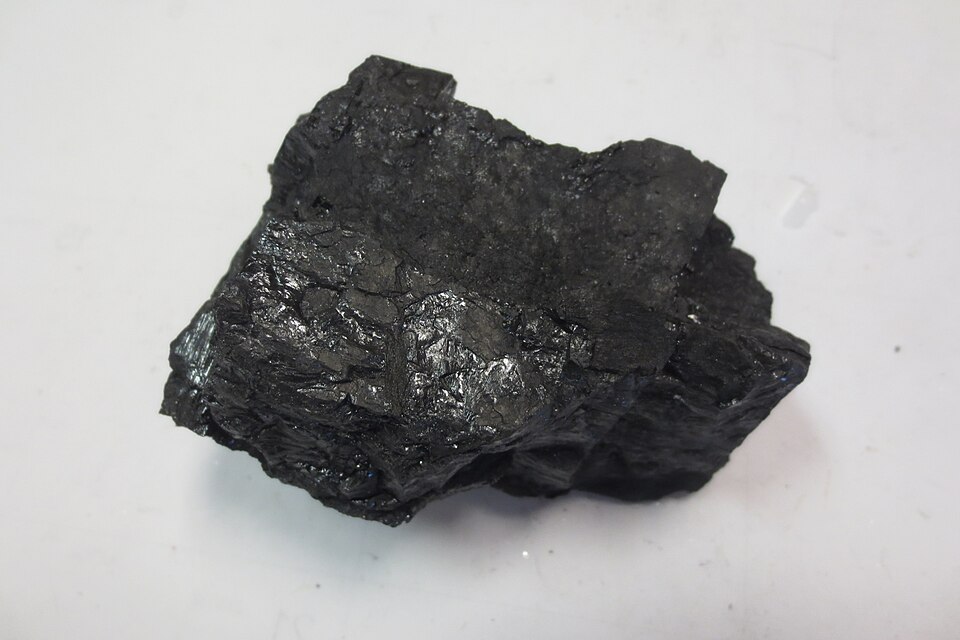
A rock formed from buried, compressed plant material — ancient swamp forests turned to stone.
Photo: Amcyrus2012, CC BY 4.0
Key differences
- Ordinary bituminous coal is duller, blockier and dirties your fingers.
Side by side
| Property | Cannel Coal | Coal |
|---|---|---|
| Type | Sedimentary rock | Sedimentary rock |
| Mohs hardness | 2–3 | 2–3 |
| Luster | Dull to greasy | Dull to submetallic |
| Colors | Black, Gray | Black, Brown |
| Crystal system / structure | Fine-grained bituminous coal | Organic, layered |
| Specific gravity | 1.1–1.4 | 1.1–1.8 |
| Found in | Scotland; Kentucky | Powder River Basin, Wyoming; Appalachia |
Properties that are the same for both are grayed out.
How to identify cannel coal
- Black, dull to satiny, with a smooth curved break.
- Very light. Does not soil your hands as much as ordinary coal.
- A knife scratches it.
Structure: Fine-grained bituminous coal
Full Cannel Coal guide →How to identify coal
- Black and very light for a rock.
- Leaves black dust on hands.
- Layered, with blocky or curved breaks.
- Burns.
Structure: Organic, layered
Full Coal guide →More comparisons
Frequently asked questions
What is the difference between cannel coal and coal?
Cannel Coal is a sedimentary rock with a Mohs hardness of about 2–3 and a dull to greasy luster, usually black or gray. Coal is a sedimentary rock with a Mohs hardness of about 2–3 and a dull to submetallic luster, usually black or brown.
How can you tell cannel coal from coal?
Ordinary bituminous coal is duller, blockier and dirties your fingers.
Could you tell them apart from a blurry close-up?
Play today's Rocksday