 Rocksday
Anorthite
Anorthite is a mineral (CaAl₂Si₂O₈) with a Mohs hardness of 6–6.5 and a vitreous luster, usually white or gray.
The calcium end of the plagioclase feldspars. Albite is the sodium end; labradorite sits in between.
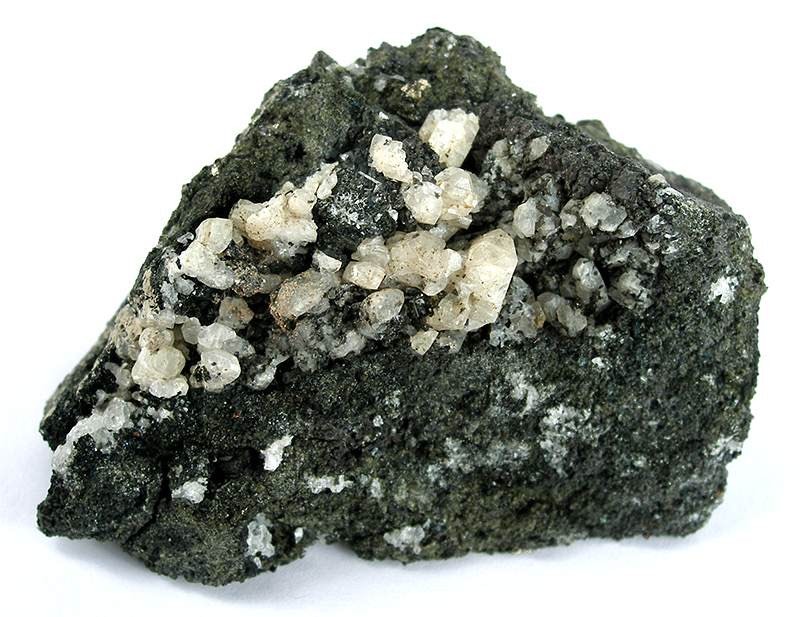
How to identify anorthite
- White to gray blocky crystals with feldspar cleavage.
- Hardness about 6.
- Heavier than albite. Often in calcium-rich volcanic rocks or anorthosite.
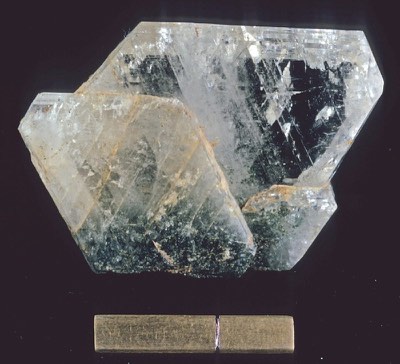
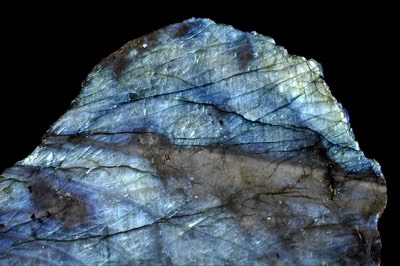
Often confused with
Where it's found
- Miyake-jima, Japan
- Mount Vesuvius, Italy
- Anorthosite bodies
- Some meteorites
Uses
Ceramics research and the study of lunar and meteorite rocks.
Rock tumbling
Can be tumbled with care.
Did you know?
Much of the pale rock of the lunar highlands is anorthosite rich in anorthite.
Anorthite FAQ
What is anorthite?
Anorthite is a mineral (CaAl₂Si₂O₈) with a Mohs hardness of 6–6.5 and a vitreous luster, usually white or gray. The calcium end of the plagioclase feldspars. Albite is the sodium end; labradorite sits in between.
How do you identify anorthite?
White to gray blocky crystals with feldspar cleavage. Hardness about 6. Heavier than albite. Often in calcium-rich volcanic rocks or anorthosite.
How hard is anorthite?
Anorthite has a Mohs hardness of 6–6.5. Anorthite scratches glass, and a steel knife can't scratch it.
Where is anorthite found?
Notable localities include Miyake-jima, Japan; Mount Vesuvius, Italy; Anorthosite bodies; and Some meteorites.
What is anorthite used for?
Ceramics research and the study of lunar and meteorite rocks.
Can you tumble anorthite?
Yes, with care.
What is anorthite often confused with?
Anorthite is most often confused with Albite and Labradorite. Albite is the sodium feldspar and is a bit lighter. Labradorite is a mid-series plagioclase and often flashes blue.
Think you could spot it from a blurry close-up?
Play today's Rocksday