 Rocksday
Carbonatite vs Limestone
To tell Carbonatite from Limestone: Limestone is sedimentary and often has fossils; carbonatite is igneous.
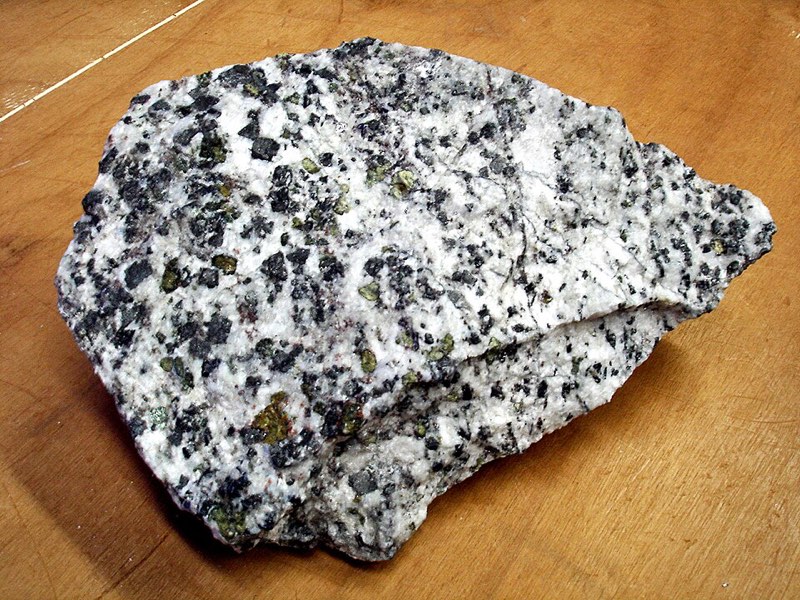
An igneous rock made mostly of carbonate minerals. It fizzes like limestone, but it crystallized from magma.
Photo: Eurico Zimbres Zimbres, CC BY-SA 3.0
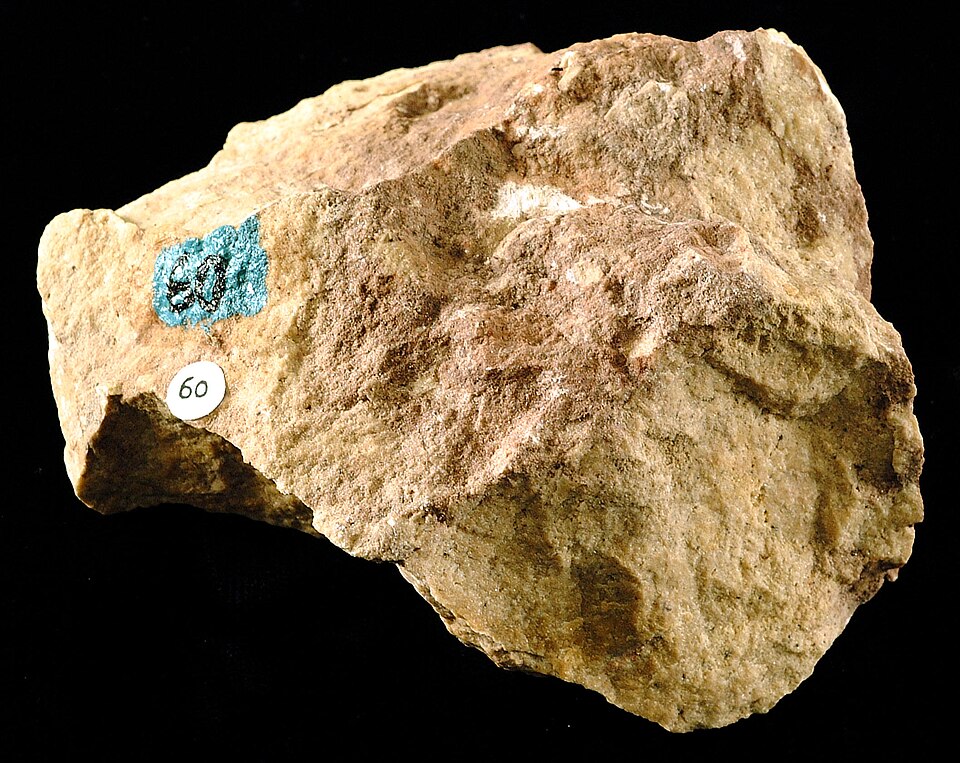
A rock made mostly of calcite, often from shells and skeletons of sea creatures. It dissolves to create caves.
Photo: Mike Davis, CC0
Key differences
- Limestone is sedimentary and often has fossils; carbonatite is igneous.
Side by side
| Property | Carbonatite | Limestone |
|---|---|---|
| Type | Igneous rock | Sedimentary rock |
| Mohs hardness | 3–4 | 3–4 |
| Luster | Sugary to earthy | Dull |
| Colors | White, Gray, Brown, Yellow | White, Gray, Brown |
| Crystal system / structure | Igneous carbonate, often coarse | Varied, often fossiliferous |
| Specific gravity | 2.7–3.1 | 2.5–2.7 |
| Found in | Ol Doinyo Lengai, Tanzania; Mountain Pass, California | Bedford, Indiana; Tura, Egypt |
Properties that are the same for both are grayed out.
How to identify carbonatite
- Pale, and it fizzes in acid.
- A knife scratches it.
- Often with magnetite, mica or rare-earth minerals, and without fossils.
Structure: Igneous carbonate, often coarse
Full Carbonatite guide →How to identify limestone
- Fizzes in dilute acid.
- Gray to cream, often with shell fossils.
- A knife scratches it.
- Weathers into smooth, pitted surfaces.
Structure: Varied, often fossiliferous
Full Limestone guide →More comparisons
Frequently asked questions
What is the difference between carbonatite and limestone?
Carbonatite is an igneous rock with a Mohs hardness of about 3–4 and a sugary to earthy luster, usually white, gray, brown or yellow. Limestone is a sedimentary rock with a Mohs hardness of about 3–4 and a dull luster, usually white, gray or brown.
How can you tell carbonatite from limestone?
Limestone is sedimentary and often has fossils; carbonatite is igneous.
Could you tell them apart from a blurry close-up?
Play today's Rocksday