 Rocksday
Arsenopyrite vs Cobaltite
How to tell them apart
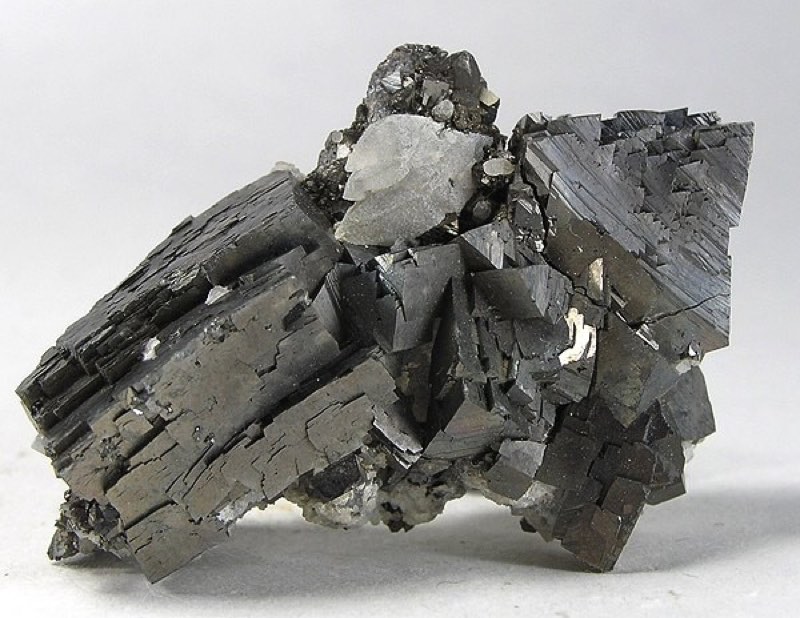
An iron arsenic sulfide and the main ore of arsenic. It smells of garlic when struck.
Photo: Robert M. Lavinsky, CC BY-SA 3.0
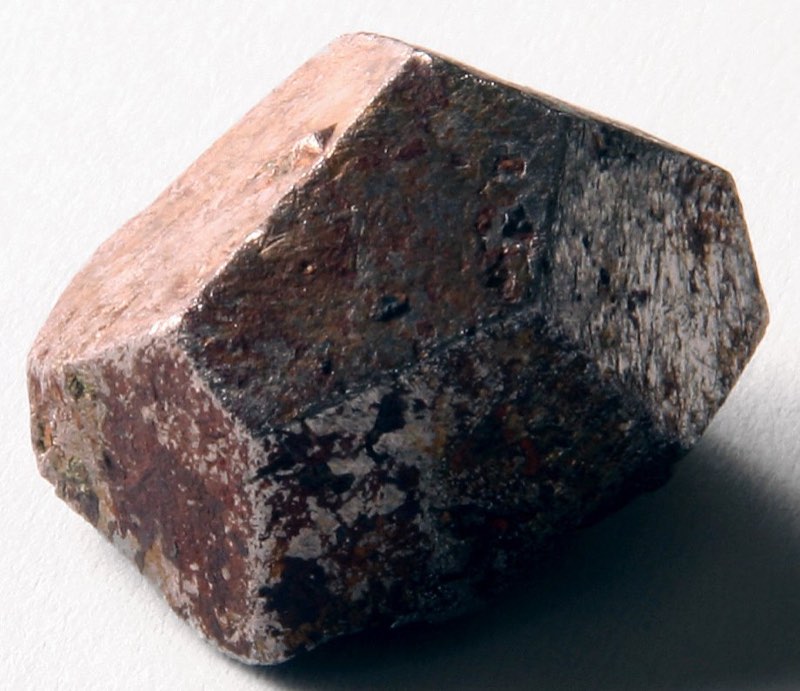
A silvery cobalt arsenic sulfide with a pinkish tint, forming pyrite-like crystals.
Photo: User Tor Svensson, CC BY-SA 3.0
Quick tests
- Streak (rub on unglazed porcelain): Arsenopyrite leaves a dark gray streak; Cobaltite leaves grayish black.
Key differences
- Arsenopyrite forms prisms and lacks the pink tint.
Side by side
| Property | Arsenopyrite | Cobaltite |
|---|---|---|
| Type | Mineral | Mineral |
| Mohs hardness | 5.5–6 | 5.5 |
| Luster | Metallic | Metallic |
| Streak | Dark gray | Grayish black |
| Colors | Silver, Gray | Silver, Pink |
| Crystal system | Monoclinic | Orthorhombic (pseudo-cubic) |
| Specific gravity | 6–6.2 | 6.3 |
| Formula | FeAsS | CoAsS |
| Found in | Panasqueira, Portugal; Hunan, China | Tunaberg, Sweden; Cobalt, Ontario |
Properties that are the same for both are grayed out.
How to identify arsenopyrite
- Silvery-white metallic, diamond-shaped prisms.
- Garlic smell when hammered.
- Harder than a knife.
Crystal system: Monoclinic
Full Arsenopyrite guide →How to identify cobaltite
- Silver-white with a reddish tint.
- Cubes and pyritohedrons like pyrite.
- Pink 'cobalt bloom' crust on weathered pieces.
Crystal system: Orthorhombic (pseudo-cubic)
Full Cobaltite guide →More comparisons
Could you tell them apart from a blurry close-up?
Play today's Rocksday