 Rocksday
Turritella Agate
Turritella Agate is a fossil with a Mohs hardness of about 6.5–7 and a waxy luster, usually brown, black, white or gray.
Chalcedony crowded with fossil freshwater snails. The shells are Elimia tenera; Turritella is a trade name that stuck.
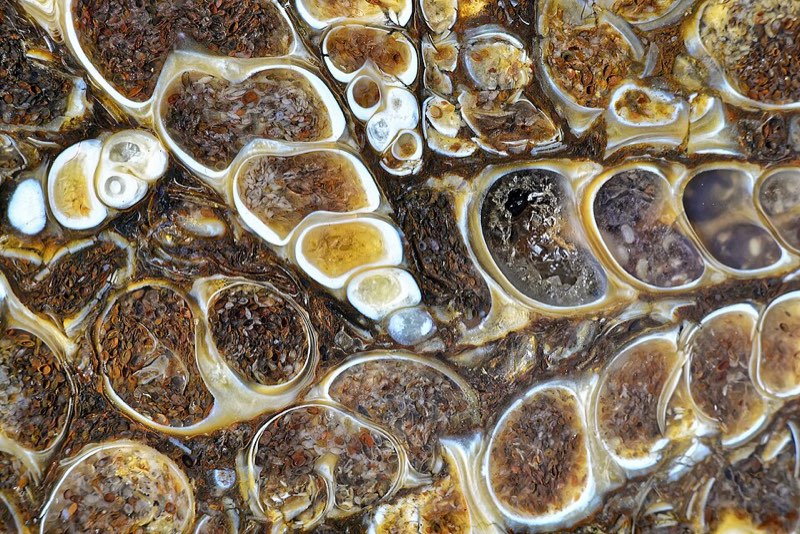
How to identify turritella agate
- Brown or black pointed snail shells packed in a hard silica rock.
- Scratches glass. Does not fizz.
- Polished slices show dozens of shells in cross-section.
Often confused with
Where it's found
- Green River Formation, Wyoming
Uses
Cabochons, bookends and tumbled stones.
Rock tumbling
Great for tumbling.
Did you know?
The snails are the Eocene freshwater species Elimia tenera. Turritella is a living marine genus they were mistaken for.
Turritella Agate FAQ
What is turritella agate?
Turritella Agate is a fossil with a Mohs hardness of about 6.5–7 and a waxy luster, usually brown, black, white or gray. Chalcedony crowded with fossil freshwater snails. The shells are Elimia tenera; Turritella is a trade name that stuck.
How do you identify turritella agate?
Brown or black pointed snail shells packed in a hard silica rock. Scratches glass. Does not fizz. Polished slices show dozens of shells in cross-section.
How hard is turritella agate?
Turritella Agate has a Mohs hardness of about 6.5–7. Turritella Agate scratches glass, and a steel knife can't scratch it.
Where is turritella agate found?
Notable localities include Green River Formation, Wyoming.
What is turritella agate used for?
Cabochons, bookends and tumbled stones.
Can you tumble turritella agate?
Yes — it tumbles well.
What is turritella agate often confused with?
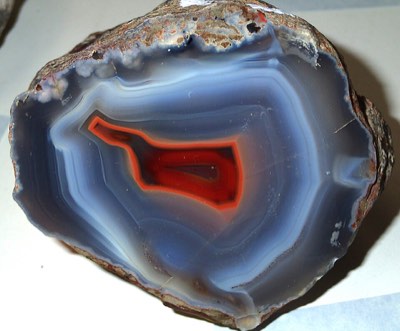
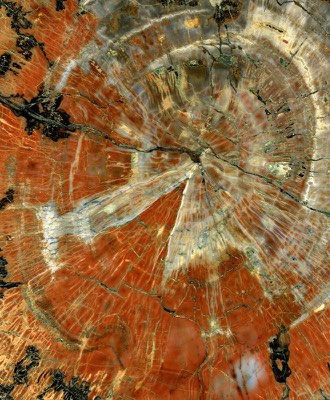
Turritella Agate is most often confused with Agate and Petrified Wood. Agate is banded chalcedony without snail shells. Petrified wood shows grain and growth rings, not spiral shells.
Think you could spot it from a blurry close-up?
Play today's Rocksday