 Rocksday
Psilomelane
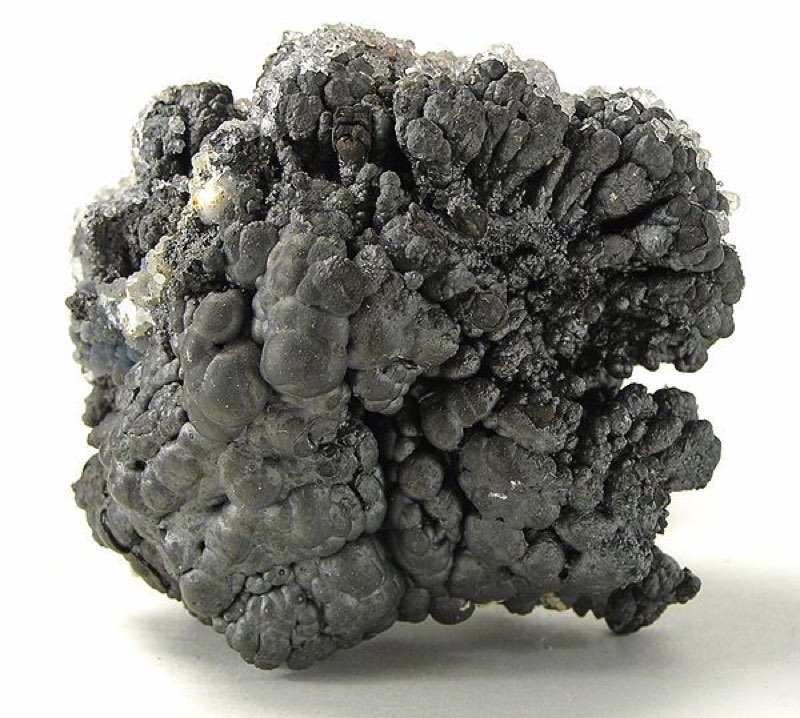
Psilomelane is a mineraloid with a Mohs hardness of 5–6 and a submetallic to dull luster, usually black or gray.
A group name for hard, black manganese oxides — including romanechite and hollandite — not a single mineral species.
How to identify psilomelane
- Black, often grape-like (botryoidal) or massive.
- Brownish-black streak.
- Harder than pyrolusite: a knife may barely scratch it.
Often confused with
Where it's found
- Romanèche, France
- Arizona
- Virginia
- Germany
Uses
Manganese ore.
Rock tumbling
Can be tumbled with care.
Did you know?
Romanechite is a major member of the group, but most specimens are a mixture, so the two names are not synonyms.
Psilomelane FAQ
What is psilomelane?
Psilomelane is a mineraloid with a Mohs hardness of 5–6 and a submetallic to dull luster, usually black or gray. A group name for hard, black manganese oxides — including romanechite and hollandite — not a single mineral species.
How do you identify psilomelane?
Black, often grape-like (botryoidal) or massive. Brownish-black streak. Harder than pyrolusite: a knife may barely scratch it.
How hard is psilomelane?
Psilomelane has a Mohs hardness of 5–6. Its hardness varies from 5 to 6, so scratch tests depend on the piece.
Where is psilomelane found?
Notable localities include Romanèche, France; Arizona; Virginia; and Germany.
What is psilomelane used for?
Manganese ore.
Can you tumble psilomelane?
Yes, with care.
What is psilomelane often confused with?
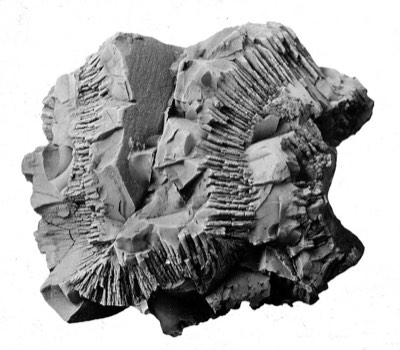
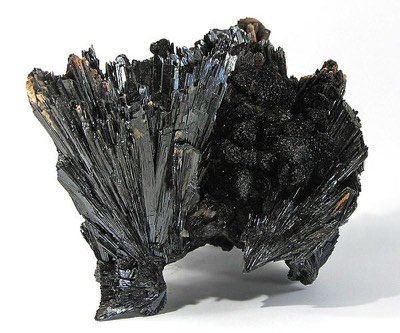
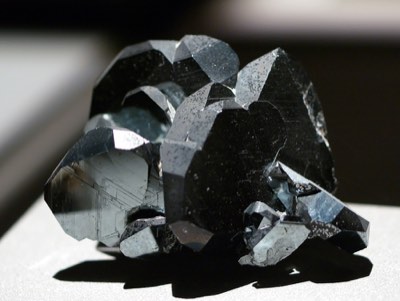
Psilomelane is most often confused with Pyrolusite, Goethite and Hematite. Pyrolusite is softer and leaves black dust on your fingers. Goethite is browner and has a yellow-brown streak. Hematite leaves a red streak.
Think you could spot it from a blurry close-up?
Play today's Rocksday