 Rocksday
Phlogopite
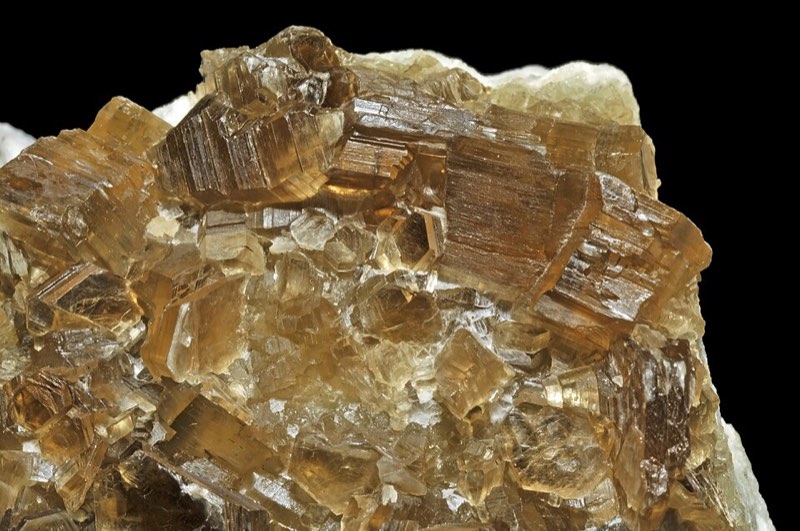
Phlogopite is a mineral with a Mohs hardness of 2–2.5 and a pearly to vitreous luster, usually brown, yellow or green.
The brown magnesium mica. Thin sheets bend and spring back, like muscovite, but the color is bronze rather than pale.
How to identify phlogopite
- Bronze or yellow-brown flexible sheets.
- A fingernail scratches it.
- Sheets spring back when bent, unlike gypsum.
Often confused with
Where it's found
- Franklin, New Jersey
- Ontario, Canada
- Madagascar
- Afghanistan
- Kovdor, Russia
Uses
Electrical insulation and heat-resistant windows, like other micas.
Rock tumbling
Not suitable for tumbling.
Did you know?
Large sheets from Ontario and Madagascar were once used as furnace windows because they stay clear when hot.
Phlogopite FAQ
What is phlogopite?
Phlogopite is a mineral with a Mohs hardness of 2–2.5 and a pearly to vitreous luster, usually brown, yellow or green. The brown magnesium mica. Thin sheets bend and spring back, like muscovite, but the color is bronze rather than pale.
How do you identify phlogopite?
Bronze or yellow-brown flexible sheets. A fingernail scratches it. Sheets spring back when bent, unlike gypsum.
How hard is phlogopite?
Phlogopite has a Mohs hardness of 2–2.5. Phlogopite is soft enough to scratch with a fingernail.
Where is phlogopite found?
Notable localities include Franklin, New Jersey; Ontario, Canada; Madagascar; Afghanistan; and Kovdor, Russia.
What is phlogopite used for?
Electrical insulation and heat-resistant windows, like other micas.
Can you tumble phlogopite?
It isn't a good choice for a rock tumbler.
What is phlogopite often confused with?
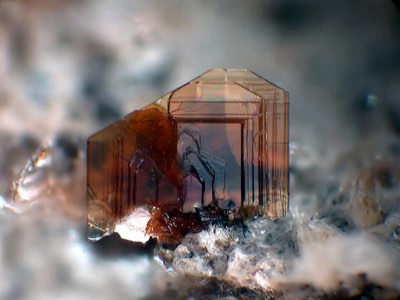
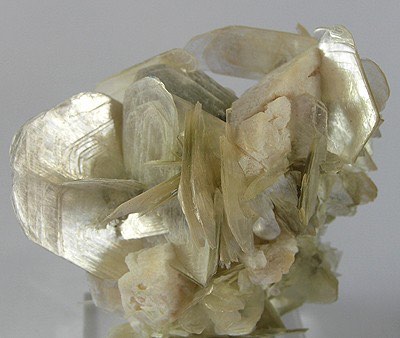
Phlogopite is most often confused with Biotite and Muscovite. Biotite is much darker, nearly black. Muscovite is colorless to pale silver, not bronze.
Think you could spot it from a blurry close-up?
Play today's Rocksday