 Rocksday
Euclase
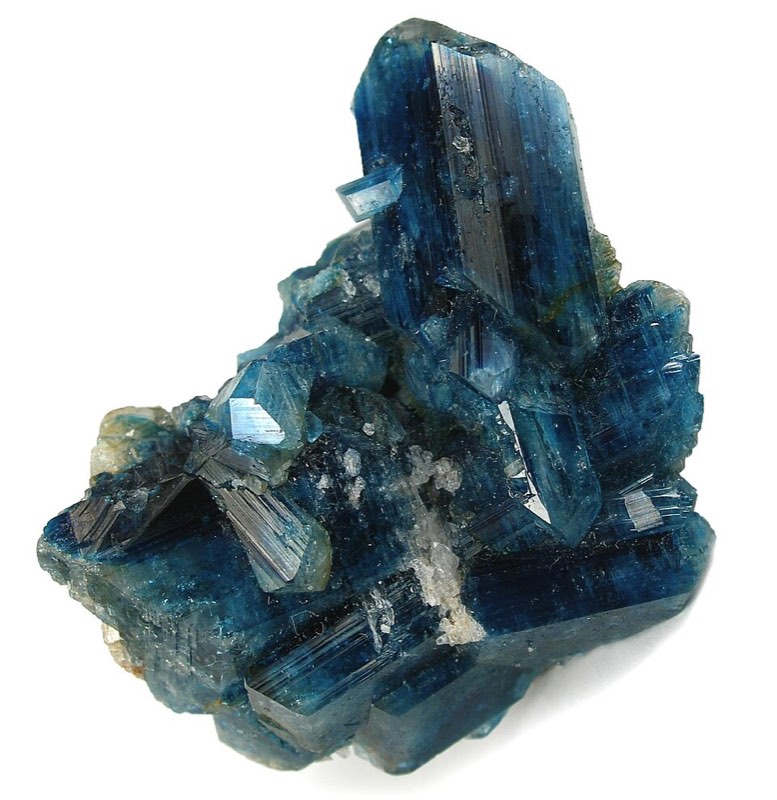
Euclase is a mineral with a Mohs hardness of 7.5 and a vitreous luster, usually blue, green, white or colorless.
A hard beryllium silicate, usually pale blue or colorless, with one perfect cleavage that makes it risky to set in jewelry.
How to identify euclase
- Pale blue or colorless prismatic crystals.
- Hardness 7.5, but it splits on a flat plane if bumped.
- Heavier than beryl of the same size.
Often confused with
Where it's found
- Minas Gerais, Brazil
- Chivor, Colombia
- Zimbabwe
- Ural Mountains, Russia
Uses
Collector specimens and, rarely, gems.
Rock tumbling
Not suitable for tumbling. Perfect cleavage.
Did you know?
The name means 'easy fracture.' A stone this hard is still seldom worn because it splits.
Euclase FAQ
What is euclase?
Euclase is a mineral with a Mohs hardness of 7.5 and a vitreous luster, usually blue, green, white or colorless. A hard beryllium silicate, usually pale blue or colorless, with one perfect cleavage that makes it risky to set in jewelry.
How do you identify euclase?
Pale blue or colorless prismatic crystals. Hardness 7.5, but it splits on a flat plane if bumped. Heavier than beryl of the same size.
How hard is euclase?
Euclase has a Mohs hardness of 7.5. Euclase scratches glass, and a steel knife can't scratch it.
Where is euclase found?
Notable localities include Minas Gerais, Brazil; Chivor, Colombia; Zimbabwe; and Ural Mountains, Russia.
What is euclase used for?
Collector specimens and, rarely, gems.
Can you tumble euclase?
It isn't a good choice for a rock tumbler. Perfect cleavage.
What is euclase often confused with?
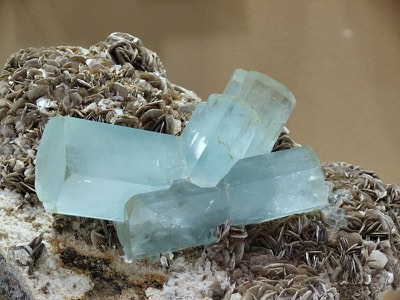
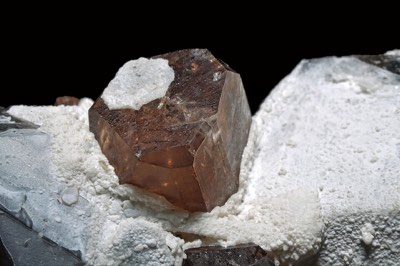
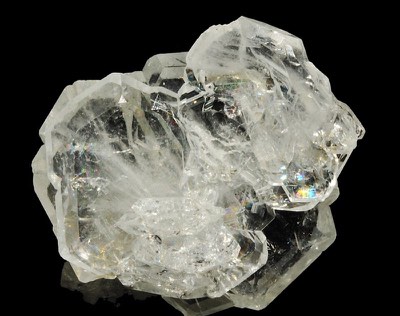
Euclase is most often confused with Aquamarine, Topaz and Goshenite. Aquamarine is hexagonal and does not have this cleavage. Topaz is heavier and usually a stronger yellow, pink or blue. Goshenite is colorless beryl, hexagonal and lighter.
Think you could spot it from a blurry close-up?
Play today's Rocksday