 Rocksday
Demantoid
Demantoid is a mineral with a Mohs hardness of 6.5–7 and an adamantine luster, usually green or yellow.
Green andradite garnet with a diamond-like sparkle. It bends light into colors more strongly than diamond, but it is much softer.
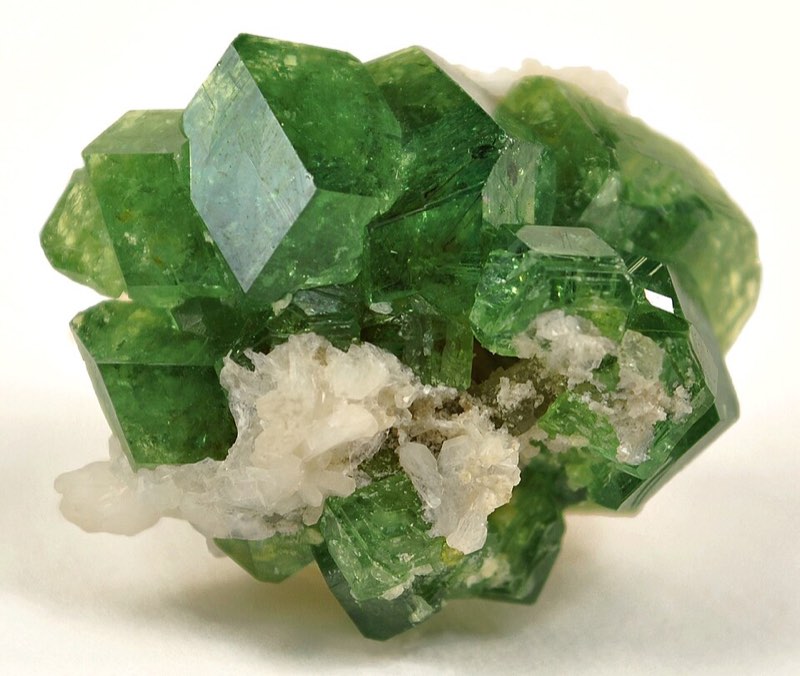
How to identify demantoid
- Bright green with strong fire.
- Hardness only 6.5–7 — a steel file can scratch it, unlike emerald.
- Ural stones often show curving 'horsetail' fibers inside.
Often confused with
Where it's found
- Ural Mountains, Russia
- Namibia
- Val Malenco, Italy
- Iran
Uses
Gemstones.
Rock tumbling
Can be tumbled with care. Softer than other garnets; keep it out of a mixed load with quartz.
Did you know?
Gemologists treat the horsetail inclusions in Ural demantoid as a fingerprint of that source.
Demantoid FAQ
What is demantoid?
Demantoid is a mineral with a Mohs hardness of 6.5–7 and an adamantine luster, usually green or yellow. Green andradite garnet with a diamond-like sparkle. It bends light into colors more strongly than diamond, but it is much softer.
How do you identify demantoid?
Bright green with strong fire. Hardness only 6.5–7 — a steel file can scratch it, unlike emerald. Ural stones often show curving 'horsetail' fibers inside.
How hard is demantoid?
Demantoid has a Mohs hardness of 6.5–7. Demantoid scratches glass, and a steel knife can't scratch it.
Where is demantoid found?
Notable localities include Ural Mountains, Russia; Namibia; Val Malenco, Italy; and Iran.
What is demantoid used for?
Gemstones.
Can you tumble demantoid?
Yes, with care. Softer than other garnets; keep it out of a mixed load with quartz.
What is demantoid often confused with?
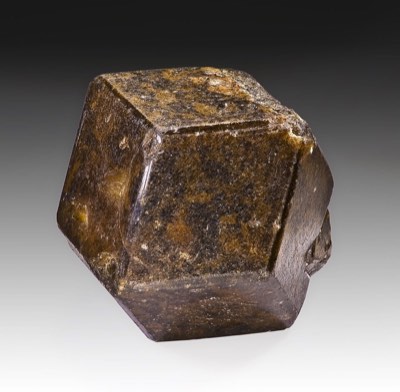
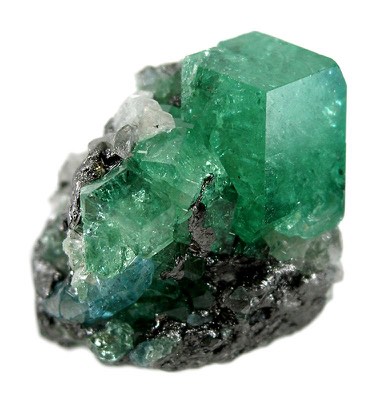
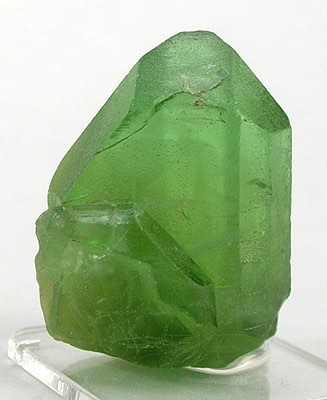
Demantoid is most often confused with Andradite, Tsavorite and Olivine. Demantoid is the green gem variety of andradite. Tsavorite is grossular: slightly harder, and without horsetail fibers. Peridot is yellower, less fiery and not cubic.
Think you could spot it from a blurry close-up?
Play today's Rocksday