 Rocksday
Chalk
A soft, white limestone made of trillions of microscopic plates shed by ocean algae.
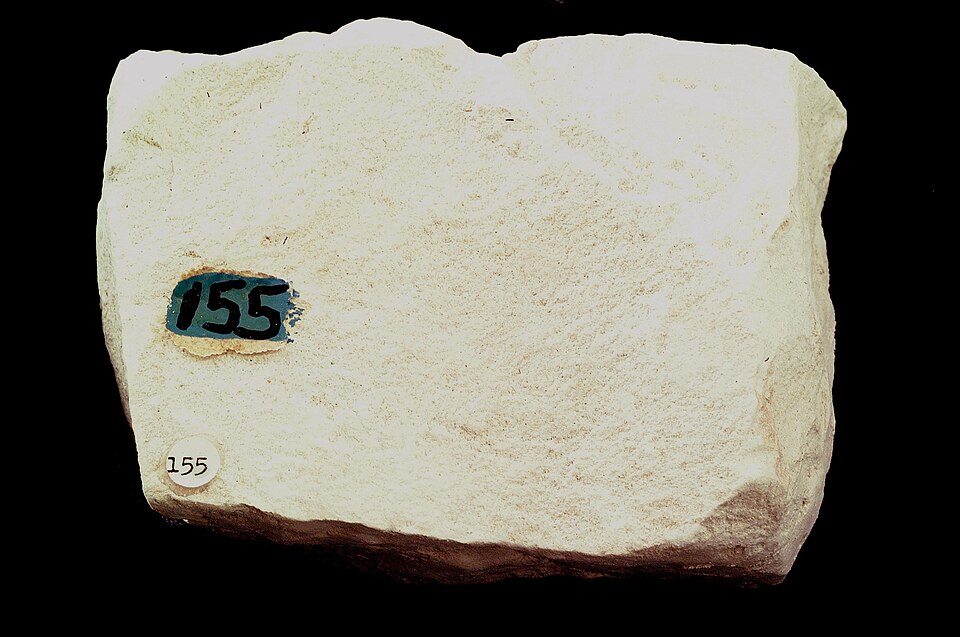
How to identify chalk
- Bright white and powdery.
- Leaves white marks on hands and surfaces.
- Fizzes in acid.
- Very light and porous.
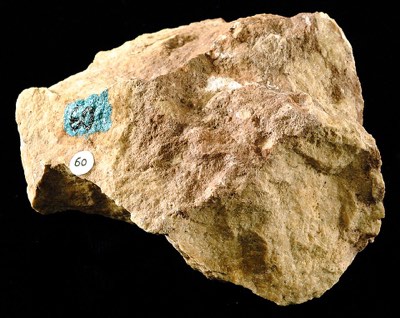
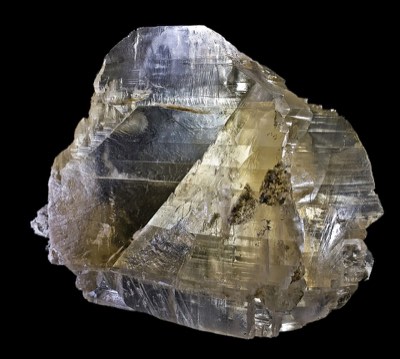
Often confused with
Where it's found
- White Cliffs of Dover, England
- Champagne, France
- Monument Rocks, Kansas
Uses
Lime, cement and fertilizer.
Rock tumbling
Not suitable for tumbling.
Did you know?
The Cretaceous period is named after Latin creta, 'chalk'. Today's classroom chalk is mostly gypsum.
Think you could spot it from a blurry close-up?
Play today's Rocksday