 Rocksday
Bastnäsite
Bastnäsite is a mineral with a Mohs hardness of 4–4.5 and a vitreous to greasy luster, usually yellow, brown or red.
A rare-earth fluorocarbonate and one of the main ores of cerium and its neighbors. It is heavy and fizzes in acid.
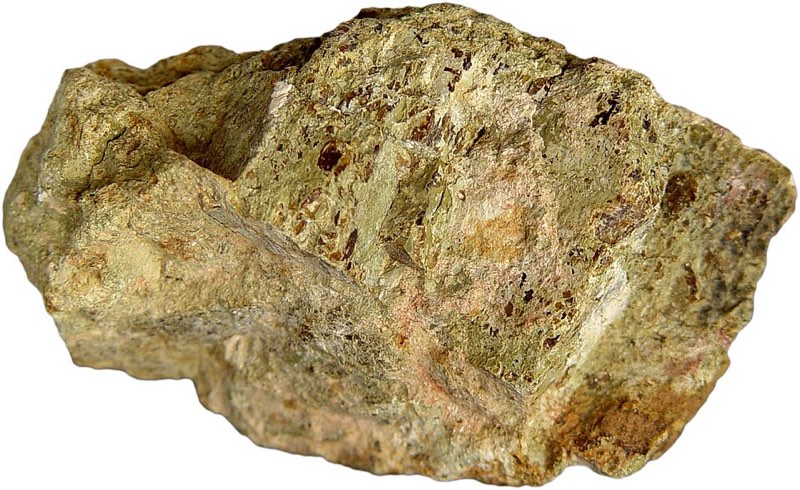
How to identify bastnäsite
- Yellow, brown or reddish masses or hexagonal crystals.
- Heavy for a non-metallic mineral.
- Fizzes in acid. Hardness about 4–4.5.
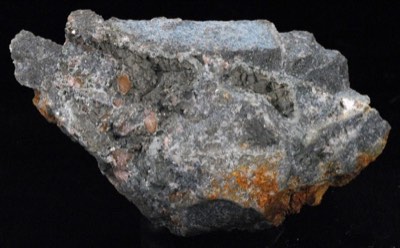
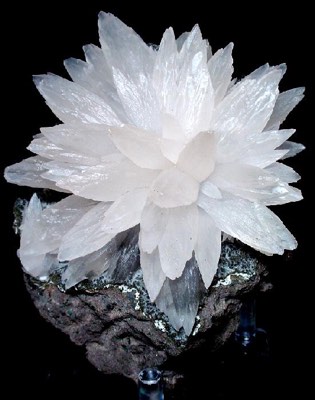
Often confused with
Where it's found
- Mountain Pass, California
- Bayan Obo, China
- Bastnäs, Sweden
Uses
The main ore of light rare earths used in magnets.
Rock tumbling
Not suitable for tumbling.
Did you know?
Mountain Pass in California and Bayan Obo in China are two of the deposits that supply those rare earths.
Bastnäsite FAQ
What is bastnäsite?
Bastnäsite is a mineral with a Mohs hardness of 4–4.5 and a vitreous to greasy luster, usually yellow, brown or red. A rare-earth fluorocarbonate and one of the main ores of cerium and its neighbors. It is heavy and fizzes in acid.
How do you identify bastnäsite?
Yellow, brown or reddish masses or hexagonal crystals. Heavy for a non-metallic mineral. Fizzes in acid. Hardness about 4–4.5.
How hard is bastnäsite?
Bastnäsite has a Mohs hardness of 4–4.5. A steel knife scratches Bastnäsite, but a fingernail doesn't.
Where is bastnäsite found?
Notable localities include Mountain Pass, California; Bayan Obo, China; and Bastnäs, Sweden.
What is bastnäsite used for?
The main ore of light rare earths used in magnets.
Can you tumble bastnäsite?
It isn't a good choice for a rock tumbler.
What is bastnäsite often confused with?
Bastnäsite is most often confused with Monazite and Calcite. Monazite does not fizz and is a phosphate. Calcite is much lighter and softer.
Think you could spot it from a blurry close-up?
Play today's Rocksday