 Rocksday
Claystone vs Mudstone
How to tell them apart
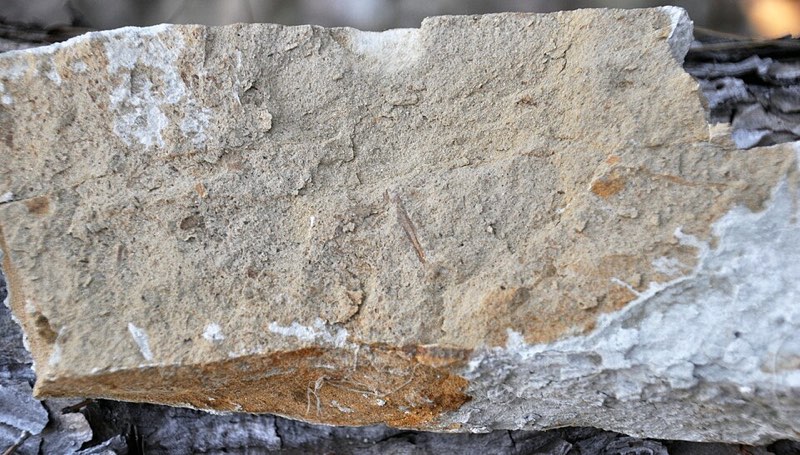
Rock made mainly of clay minerals: soft, smooth and slick when wet.
Photo: James St. John, CC BY 2.0
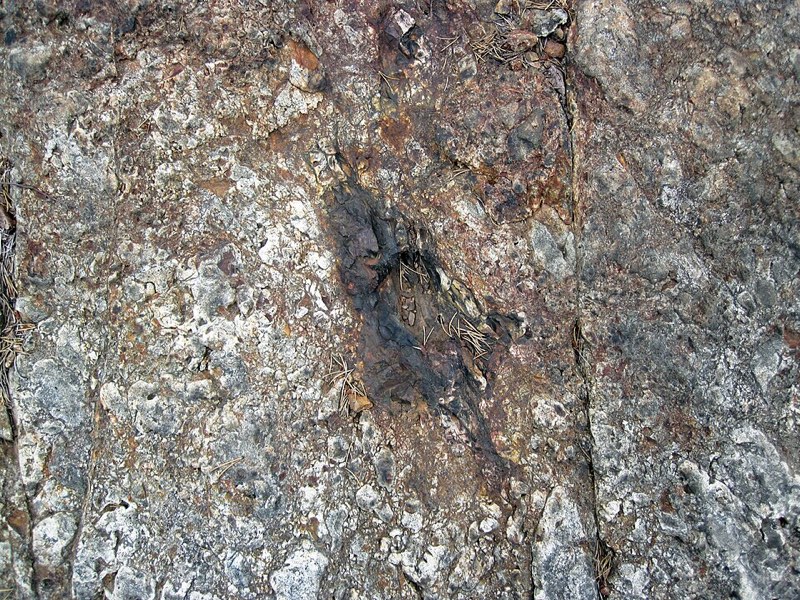
Hardened mud that breaks into blocks rather than thin sheets.
Photo: James St. John, CC BY 2.0
Key differences
- Mudstone contains silt and is a bit harder.
Side by side
| Property | Claystone | Mudstone |
|---|---|---|
| Type | Sedimentary rock | Sedimentary rock |
| Mohs hardness | 1.5–2.5 | 2–3 |
| Luster | Dull, earthy | Dull |
| Colors | Gray, Red, Green, Brown | Gray, Red, Black, Brown |
| Crystal system / structure | Clastic, clay-sized | Clastic, clay and silt, blocky |
| Specific gravity | 2–2.6 | 2.3–2.7 |
| Found in | Sedimentary basins worldwide | Sedimentary basins worldwide; Gale crater, Mars |
Properties that are the same for both are grayed out.
How to identify claystone
- Very smooth, soapy when wet.
- Scratched by a fingernail.
- Swells or slakes in water.
Structure: Clastic, clay-sized
Full Claystone guide →How to identify mudstone
- Smooth, very fine-grained.
- Breaks into blocky chunks.
- Soft; may smell earthy when wet.
Structure: Clastic, clay and silt, blocky
Full Mudstone guide →More comparisons
Could you tell them apart from a blurry close-up?
Play today's Rocksday